
Engineered vs. Solid Hardwood in Clark County, WA: Which Performs Better in the Pacific Northwest Climate?
Hardwood floors remain one of the most sought-after upgrades for homeowners throughout Clark County. Whether you live in Vancouver, Camas, Ridgefield, or Washougal, hardwood flooring adds warmth, durability, and timeless character to a home. However, choosing the right type of hardwood flooring in the Pacific Northwest requires more than simply picking a style or color. The region’s climate plays a major role in how well flooring materials perform over time.
The Pacific Northwest is known for its moisture, fluctuating temperatures, and seasonal humidity changes. These environmental conditions can affect how wood floors expand, contract, and maintain stability. For homeowners considering hardwood floor installation, understanding the difference between engineered and solid hardwood is essential.
Both options offer beauty and durability, but they respond differently to moisture and climate changes. Choosing the right flooring type for your home can prevent long-term problems such as warping, gaps, or surface damage. With more than 30 years of experience serving Clark County, Au Natural Hardwood Floors helps homeowners evaluate these factors carefully before installation begins.
Understanding the Difference Between Engineered and Solid Hardwood
Before deciding which flooring type performs best in the Pacific Northwest climate, it helps to understand how each material is constructed.
Solid hardwood flooring is exactly what the name suggests. Each plank is made from a single piece of natural wood that is typically milled to a consistent thickness. Because the material is solid throughout, solid hardwood floors can be sanded and refinished multiple times over their lifespan. This ability to restore the surface is one reason solid hardwood has remained popular for decades.
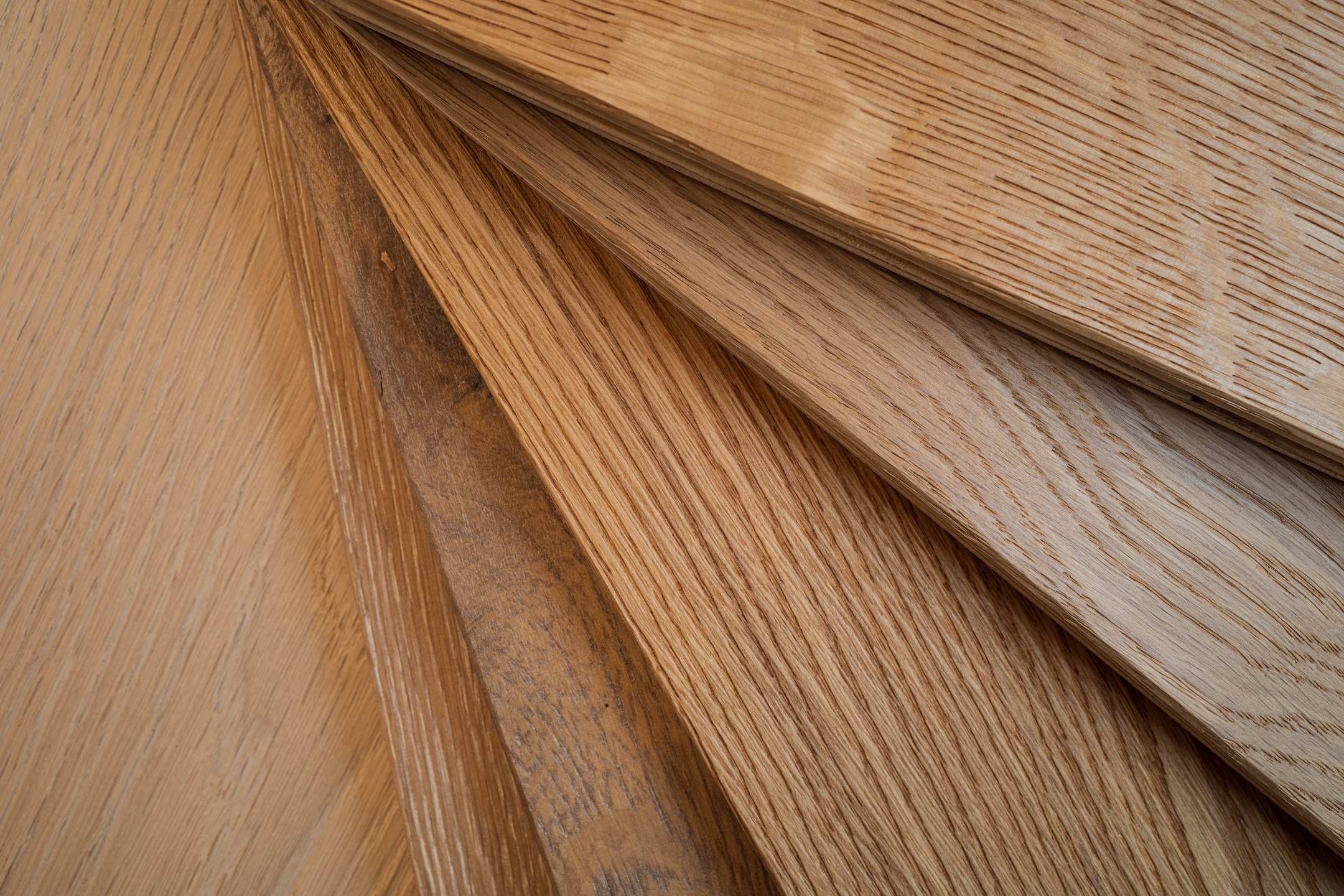
Engineered hardwood, on the other hand, uses a layered construction. The top layer consists of real hardwood, while the base layers are made from multiple layers of plywood or composite materials arranged in a cross-grain pattern. This structure provides additional dimensional stability.
The layered design of engineered flooring reduces the likelihood of movement caused by humidity changes. While the visible surface is genuine hardwood, the underlying layers help resist expansion and contraction.
Both options offer attractive natural wood finishes. The key difference lies in how each product responds to environmental conditions such as moisture and temperature shifts.
For homeowners comparing engineered vs solid hardwood, understanding these structural differences is the first step in choosing the right flooring solution.
How the Pacific Northwest Climate Affects Hardwood Floors
Clark County’s climate presents unique challenges for wood flooring. Homes in Vancouver, Camas, and surrounding communities experience long wet seasons, higher humidity levels, and periodic temperature fluctuations throughout the year.
Wood is a natural material that responds to moisture in the air. When humidity rises, wood fibers absorb moisture and expand. When humidity drops, the wood releases moisture and contracts. This constant movement is normal, but excessive fluctuations can lead to issues if flooring is not properly selected or installed.
In areas where humidity levels change frequently, solid hardwood may expand and contract more noticeably. This movement can sometimes cause gaps between boards or slight cupping along the edges of planks.
Engineered hardwood was designed to address these types of challenges. Because its layers run in alternating directions, the material resists movement more effectively than solid wood. This makes engineered flooring particularly well-suited for regions where moisture levels fluctuate.
However, climate alone does not determine which flooring option is best. Installation quality and moisture control measures play a major role in long-term performance.
Au Natural Hardwood Floors considers both environmental conditions and structural factors when helping homeowners select flooring materials that perform reliably in the Pacific Northwest climate.
The Role of Moisture Control in Hardwood Installation
Moisture control is one of the most important factors in successful hardwood floor installation. Even the most durable flooring materials can develop problems if moisture conditions are not properly evaluated before installation.
Professional installers begin by testing moisture levels in both the subfloor and the surrounding environment. These assessments help determine whether the space is ready for hardwood flooring and whether adjustments are necessary before installation begins.
Moisture levels in the subfloor must be carefully balanced with the moisture content of the hardwood planks. If the flooring material is installed before these conditions stabilize, the wood may expand or contract significantly after installation.
This is why professional moisture assessment is a critical step in the installation process. Experienced installers understand how to measure humidity levels, evaluate subfloor conditions, and recommend solutions when moisture concerns are present.
Au Natural Hardwood Floors performs detailed moisture evaluations before beginning any hardwood floor installation. Their team carefully assesses the environment to ensure that flooring materials are installed under conditions that promote long-term stability.
By addressing moisture concerns early in the process, homeowners can avoid issues that might otherwise appear months or years later.
Choosing the Best Hardwood Flooring for the Pacific Northwest Climate
When comparing engineered vs solid hardwood, many homeowners wonder which option is best suited for homes in Clark County. The answer often depends on several factors, including the home’s construction, location, and lifestyle needs.
Engineered hardwood tends to perform exceptionally well in environments where humidity levels fluctuate. Its layered construction offers increased resistance to moisture-related movement, making it a popular choice for many homes in the Pacific Northwest.
This type of flooring can also be installed in areas where solid hardwood might be less suitable, such as over concrete subfloors or in basements with controlled humidity conditions.
Solid hardwood still offers many advantages. Its natural composition and ability to be refinished multiple times make it a long-term investment for homeowners who value traditional craftsmanship. When installed in properly controlled environments, solid hardwood floors can last for generations.
Ultimately, the best hardwood flooring for the Pacific Northwest climate depends on the specific conditions of the home. A professional consultation helps homeowners understand which option will provide the best balance of beauty, durability, and performance.
Au Natural Hardwood Floors provides expert guidance during consultations, helping clients evaluate their flooring options based on climate considerations, design preferences, and long-term durability.
Why Professional Installation Makes the Difference
Regardless of which flooring material homeowners choose, installation quality has a significant impact on long-term performance. Even high-quality flooring products can fail if installation techniques are not precise.
Proper acclimation of hardwood planks is one essential step. Flooring materials must be allowed to adjust to the home’s humidity levels before installation begins. This process helps reduce the risk of movement once the flooring is in place.
Precision during installation also ensures that planks are aligned correctly and fastened securely. Small errors during installation can lead to noticeable gaps, uneven surfaces, or structural instability over time.
Licensed, insured, and bonded professionals bring the expertise required to handle these technical aspects. Skilled installers understand how to manage subfloor preparation, plank spacing, fastening methods, and finishing techniques that promote long-term durability.
Au Natural Hardwood Floors has served Clark County homeowners for more than three decades. Their team combines detailed craftsmanship with deep knowledge of the region’s climate conditions. This experience allows them to install hardwood flooring that remains stable and beautiful even in the Pacific Northwest’s challenging environment.
For homeowners investing in new flooring, the right combination of product selection, moisture control, and installation precision makes all the difference. With expert guidance and professional installation, both engineered and solid hardwood floors can provide decades of beauty and performance in homes throughout Vancouver, Camas, Ridgefield, and Washougal.