

Squeaky, Loose, or Popping Hardwood Floors in Vancouver, WA: Repair Before You Refinish
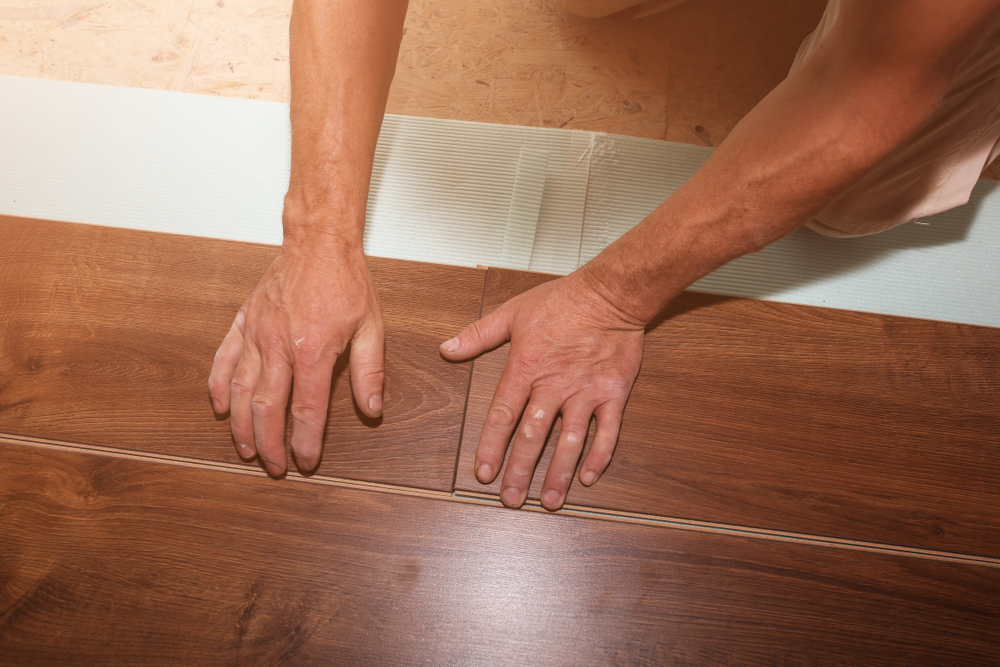
A hardwood floor can look ready for refinishing while still having problems underneath the surface. In Vancouver, WA, squeaks, movement, popping sounds, or loose boards can point to fastening, subfloor, moisture, or structural conditions that sanding and a new finish will not correct.
Before refinishing a noisy or moving hardwood floor, find out why it is moving.
Quick answer: Squeaky, loose, or popping hardwood floors should usually be evaluated and repaired before refinishing. Sanding improves the surface of the wood, but it does not secure loose boards, correct movement in the subfloor, or resolve an active moisture problem. Repairing the underlying cause first gives the refinishing work a more stable surface and reduces the chance that the same symptoms will remain after the floor looks new.
What local homeowners should know
-
A squeak by itself may be caused by wood rubbing against another board, a fastener, or the subfloor, but widespread movement deserves closer inspection.
-
Vancouver’s rainy season can make moisture conditions especially relevant when flooring problems change noticeably through the year.
-
Older homes in neighborhoods such as Arnada, Shumway, Hough, and Bagley Downs may have flooring systems that have been repaired, refinished, or altered multiple times.
-
Sanding a loose floor does not tighten it, and finishing over an unresolved moisture condition can leave the real problem untouched.
-
Repairs are generally easier to plan before sanding removes the existing finish and the entire floor enters the refinishing process.
Why Should Hardwood Floor Problems Be Repaired Before Refinishing?
Hardwood floor problems should be repaired before refinishing because refinishing changes the surface, while squeaks, looseness, and popping often originate below or between the boards. If movement remains after sanding and coating, a floor can look dramatically better but still make the same sounds or continue shifting underfoot.
A refinish is designed to address worn finish, scratches, discoloration, and other surface deterioration. Repair work addresses physical problems such as loose boards, inadequate fastening, localized subfloor movement, damaged flooring, or moisture-related movement.
That distinction matters in Vancouver, WA, where seasonal moisture changes can affect wood products inside a home. A good refinishing plan starts with determining whether the floor is stable enough to refinish in the first place.
Au Natural Hardwood Floors helps local property owners evaluate hardwood flooring before moving forward with refinishing. We look at the condition of the existing floor so repair needs can be addressed as part of the overall project rather than hidden beneath a new finish.
What Local Conditions Can Affect Hardwood Floors?
Local hardwood floors can be affected by seasonal moisture changes, the age and construction of the home, previous flooring work, and conditions beneath the finished boards. Southwest Washington’s climate includes a long wet season followed by comparatively dry summer weather, creating changing moisture conditions that wood floors must accommodate.
National Weather Service climate information for the Portland-Vancouver region shows that most annual rainfall occurs from fall through spring, with substantially drier conditions during July and August. Wood naturally responds to surrounding moisture conditions by expanding and contracting.
That does not mean normal seasonal movement should make a floor noticeably loose. Instead, seasonal changes may reveal an existing weakness in fastening, gaps, subfloor support, or moisture control.
The housing stock also varies considerably across Clark County. The City of Vancouver describes Arnada as one of its oldest neighborhoods and notes homes dating from the 1940s and 1950s in Bagley Downs. Floors in established neighborhoods may have decades of wear, previous repairs, additions, or remodeling behind what is visible today.
What Are the Warning Signs That a Floor Needs Repair?
A floor may need repair before refinishing when movement, sound, gaps, or surface changes suggest the boards are not simply suffering from finish wear. The most useful clues are symptoms that can be felt or heard, particularly when they occur repeatedly in the same location.
Watch for:
-
Boards that move vertically when stepped on.
-
Persistent squeaking concentrated along a seam or traffic path.
-
Popping or clicking noises as weight moves across the floor.
-
Individual boards that feel loose compared with surrounding flooring.
-
Raised edges, cupping, or unusual changes in board shape.
-
Gaps that become unusually large or change significantly by season.
-
Dark staining or other signs that moisture may have reached the wood.
-
Previous patching or fastening that appears to have failed.
A small isolated squeak and a floor that visibly flexes across a larger area are not the same problem. The pattern helps determine what should happen next.
What Commonly Causes Squeaky or Loose Hardwood Floors?
Squeaky and loose hardwood floors are commonly caused by movement between flooring components, weakened fastening, subfloor movement, damaged boards, or changing moisture conditions. Identifying which components are moving is more useful than treating every floor noise as the same repair.
One common cause is friction. A board may rub against another board, a fastener, or the subfloor when someone walks across it. If fasteners are no longer holding the flooring tightly, movement may become more noticeable.
Subfloor conditions can also contribute. Movement underneath finished hardwood can produce noise even when the flooring itself still appears attractive from above.
Moisture deserves particular attention around kitchens, exterior doors, plumbing fixtures, crawlspaces, and other areas where conditions can differ from the rest of the home. In the Columbia River region, homeowners should also pay attention when symptoms become more pronounced during the wetter months.
The correct repair depends on what is actually moving and why.
Can You Refinish a Squeaky Hardwood Floor Without Repairing It?
A squeaky hardwood floor can sometimes be refinished without repair, but refinishing should not be expected to eliminate a squeak caused by movement beneath the surface. If the sound is related to loose flooring or the subfloor, sanding and applying finish will not correct the mechanical source of the noise.
This is where proper evaluation prevents mismatched expectations.
If an otherwise stable floor has a minor sound that does not indicate a larger problem, homeowners may decide to live with it. If boards move underfoot, noises are widespread, or the condition appears to be worsening, repair deserves attention before refinishing.
For homeowners in Vancouver, WA, combining the evaluation with the refinishing plan can also reduce the chance of discovering repair needs after surface work has already begun.
What Should Homeowners Check Before Calling a Professional?
Homeowners can safely document where noises and movement occur, look for visible moisture or damaged boards, and notice whether the problem changes by season. They should avoid invasive repairs when the source of the movement is unclear, especially when fastening or moisture conditions beneath the flooring may be involved.
Walk the room slowly and identify whether the symptom occurs in one board, along a seam, near a wall, or across a larger area. Notice whether furniture placement changes the sound.
Also consider what is beneath the room. A crawlspace, basement, or finished ceiling below the flooring can affect how a repair is approached.
DIY diagnosis should stop when boards are visibly shifting, moisture damage is suspected, or accessing the problem requires removing flooring. Driving random screws or nails through finished hardwood can create additional repair work without addressing the underlying cause.
What Results Can You Expect From Repairing Before Refinishing?
Repairing first can provide a more stable floor for refinishing and gives the project a better chance of addressing both appearance and function. The exact result depends on the cause, accessibility, flooring condition, and age of the installation, so not every sound or movement can be assumed to disappear completely.
Localized loose boards may be repairable without replacing an entire room. Damaged boards may sometimes require individual replacement. Broader subfloor or moisture problems may require more investigation before cosmetic work makes sense.
Once appropriate repairs are completed, sanding can address the worn surface and prepare the wood for the selected finishing system.
The goal is not simply to make an old floor look new. It is to avoid investing in refinishing while leaving a known physical problem unresolved.
What Mistakes Should Vancouver Homeowners Avoid?
The biggest mistake is assuming every hardwood flooring problem can be solved by sanding because sanding only addresses the exposed wood surface. Vancouver homeowners should separate cosmetic wear from movement, moisture, and fastening problems before deciding what type of work the floor needs.
Mistake: Refinishing first and investigating the squeak later.
Consequence: The floor may still make noise after the refinishing project is complete.
Better approach: Identify the source of significant movement before sanding begins.
Mistake: Adding fasteners without knowing what is underneath.
Consequence: Visible holes or additional damage can be created without stopping the movement.
Better approach: Determine which flooring component is loose before choosing a repair method.
Mistake: Ignoring moisture-related changes.
Consequence: A symptom connected to changing moisture conditions may return even after cosmetic improvements.
Better approach: Investigate unusual cupping, staining, expansion, or seasonal movement first.
What Is a Common Local Hardwood Floor Scenario?
A common local scenario is an older hardwood floor that still has plenty of visual character but has developed several noisy or moving areas after years of use. In established Vancouver, WA, neighborhoods, the floor may also have undergone previous refinishing or remodeling that is not obvious until the current project is evaluated.
Imagine a homeowner near Uptown Village preparing to refinish a worn living room and hallway. The finish is scratched, but two areas also squeak and one board moves slightly underfoot.
Instead of treating everything as surface wear, the moving areas are evaluated first. Needed repairs can then be completed before the floor is sanded.
This is a common scenario, not a specific customer case. It illustrates why sequencing matters.
Which Hardwood Flooring Services May Be Needed?
The services needed may include hardwood floor evaluation, localized repair, board replacement, and refinishing, depending on what is causing the symptoms. A floor with cosmetic wear alone requires a different plan from one with loose boards, damaged wood, or movement that originates underneath the finished surface.
Our approach is to consider repair needs before the refinishing process so homeowners understand what each portion of the work is intended to accomplish.
Is Repair Better Than Replacement?
Repair is often worth considering when the majority of an existing hardwood floor remains serviceable and the problem is limited to specific areas, while replacement becomes more relevant when damage or instability is extensive. The right choice depends on the condition of the wood, subfloor, affected area, and desired finished result.
For a few loose or damaged boards, localized work may preserve much more of the existing floor. When problems affect large sections or involve conditions that cannot be corrected locally, the scope may be different.
A professional evaluation helps separate isolated defects from broader flooring-system problems before money is committed to either option.
Where Do We Provide Hardwood Floor Services?
We serve hardwood flooring customers in Vancouver, WA, and the surrounding Clark County area. Depending on project location and service availability, homeowners in nearby communities such as Camas, Washougal, Ridgefield, and Battle Ground can contact us to discuss their flooring needs.
Local homes range from older properties near downtown and Fort Vancouver to newer construction farther east and north, so flooring conditions can vary considerably from one project to another.
What Can Happen If You Ignore a Loose or Popping Floor?
Ignoring a loose or popping hardwood floor can allow continued movement to wear connections between boards, damage edges, or make an underlying problem harder to address later. The risk varies by cause, so an isolated harmless noise should not be treated the same way as flooring that visibly shifts or shows moisture-related damage.
Waiting also complicates refinishing decisions. If you already plan to sand and refinish the floor, discovering a repair issue afterward can mean working on a newly finished surface.
Evaluating suspicious areas beforehand provides clearer options.
FAQ
Should squeaky hardwood floors always be repaired before refinishing in Vancouver, WA?
Not every squeak automatically requires repair, but noticeable movement or persistent noise should be evaluated before refinishing. Sanding cannot tighten loose boards or stabilize a moving subfloor. If the floor is structurally stable and the sound is minor, refinishing may still be appropriate without extensive repair.
Does Vancouver’s rainy climate cause hardwood floors to squeak?
Vancouver’s climate can contribute to changing moisture conditions, but rain alone does not explain every squeak. Wood responds to changes in moisture, while floor noise usually requires movement somewhere in the flooring system. Seasonal changes may make an existing fastening, gap, or subfloor issue more noticeable.
Can refinishing stop hardwood floors from popping?
Refinishing generally does not stop popping when the sound is caused by boards moving against each other, fasteners, or the subfloor. The source of the movement should be identified first. Once appropriate repairs are addressed, refinishing can improve the worn or damaged surface.
Are squeaky floors more common in older Vancouver homes?
Older homes can have more opportunities for flooring movement because materials, fasteners, repairs, and remodeling have accumulated over decades, but age alone does not determine whether a floor will squeak. Neighborhoods such as Arnada and Bagley Downs include older housing, making careful evaluation particularly useful before refinishing.
Should I worry if my hardwood floor changes between wet and dry seasons?
Some seasonal expansion and contraction is normal for wood, but large changes, visible movement, cupping, or unusually wide gaps deserve attention. Clark County’s wet winters and drier summers can create changing environmental conditions, so tracking when symptoms appear can provide useful information during a flooring evaluation.
Can individual hardwood boards be repaired without replacing the whole floor?
Individual hardwood boards can sometimes be repaired or replaced without removing the entire floor. Feasibility depends on the installation, location, wood condition, and cause of the damage. Localized repair can be especially useful when most of the existing hardwood remains in suitable condition for refinishing.
Should I refinish or replace my hardwood floor?
Refinishing may be appropriate when the existing wood is sufficiently intact and the main problems involve surface wear, while replacement becomes more relevant when damage is extensive or the flooring cannot be made suitably stable. An inspection of the floor and affected areas provides the best basis for choosing.
When should I schedule hardwood floor repair in Vancouver, WA?
Schedule an evaluation before refinishing whenever boards move, pop repeatedly, show signs of moisture damage, or feel different from surrounding flooring. Addressing these symptoms before sanding allows repair and refinishing to be planned in the correct order instead of trying to work around a newly finished surface.
Protect the Floor Before You Renew the Finish
A beautiful refinished floor starts with a surface that is appropriate to refinish. If your hardwood floor squeaks, pops, or moves underfoot, identifying the cause first can help you make a more informed repair and refinishing decision.
Get Your Vancouver Hardwood Floor Ready for Refinishing
We can evaluate problem areas and discuss whether repairs should be addressed before the refinishing process begins.