

Why Pacific Northwest Moisture Demands Professional Hardwood Installation in Vancouver, WA
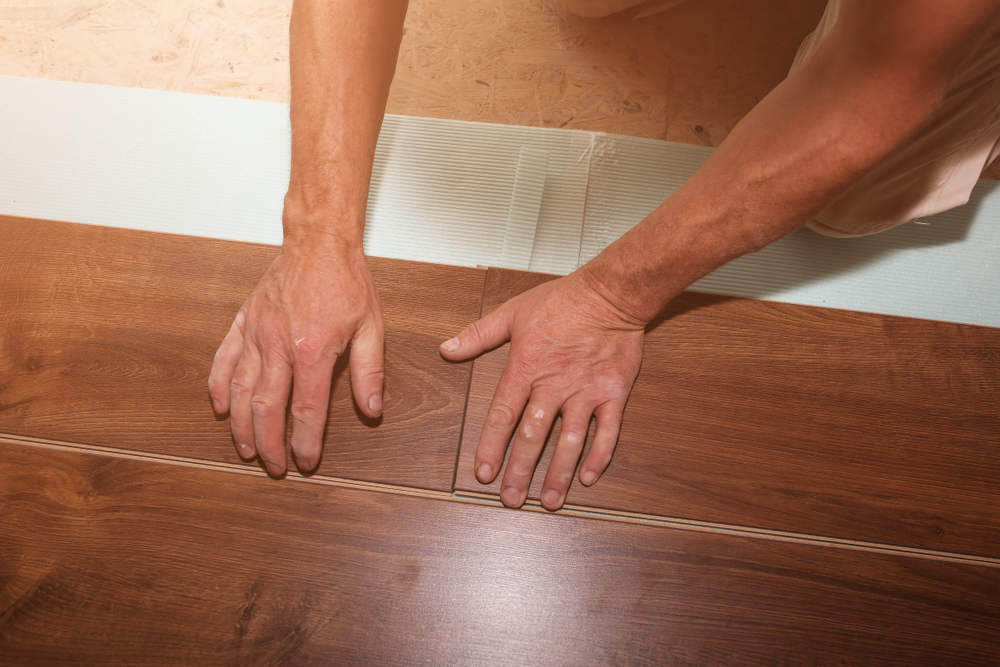
Hardwood flooring is a long-term investment, but in the Pacific Northwest, moisture can make or break its performance. Homeowners in Vancouver, WA often deal with seasonal humidity, wet winters, and fluctuating indoor moisture levels that affect how hardwood expands, contracts, and ages. Professional installation helps ensure your floors are prepared for these conditions from the very beginning.
Quick Answer
Professional hardwood installation is especially important in Vancouver, WA because the region’s moisture levels can affect every stage of a flooring project, from material acclimation to long-term performance. Proper moisture testing, subfloor preparation, and installation techniques help reduce the risk of gaps, cupping, buckling, and premature wear while protecting the appearance and lifespan of your hardwood floors.
What Local Readers Should Know
-
Hardwood flooring naturally expands and contracts as moisture levels change throughout the year.
-
Vancouver’s rainy climate makes moisture testing before installation an essential step rather than an optional one.
-
Homes near the Columbia River or in heavily wooded neighborhoods may experience higher humidity than other parts of Clark County.
-
Proper acclimation allows hardwood flooring to adjust to local indoor conditions before installation begins.
-
Professional installation helps identify moisture issues below the surface before they become expensive flooring problems.
Why This Matters Locally
The climate in Vancouver, WA creates conditions that hardwood flooring installers must account for throughout every project. Wet winters, frequent rainfall, and changing humidity levels influence both subfloors and hardwood planks. Even newer homes can experience moisture variations depending on ventilation, crawl spaces, and HVAC performance.
Neighborhoods such as Fisher’s Landing, Cascade Park, Salmon Creek, Felida, and Orchards each include homes built during different decades with varying foundation types. Some properties have crawl spaces while others are built on concrete slabs, and each requires a different approach to moisture management.
At Au Natural Hardwood Floors, we understand that successful hardwood flooring starts long before the first board is installed. Our installation process focuses on preparing floors for the conditions local homeowners experience throughout the year.
Local Field Observations
Professional field observations consistently show that moisture-related flooring issues are among the most common reasons homeowners need hardwood repairs or replacement. Floors installed without proper moisture evaluation often develop visible movement during seasonal humidity changes.
Across Clark County, we frequently see issues caused by:
-
Inadequate subfloor moisture testing
-
Flooring installed before proper acclimation
-
Crawl space moisture affecting wood flooring
-
Concrete slabs retaining excess moisture
-
Indoor humidity fluctuations from heating systems during winter
These conditions reinforce why professional installation is about much more than appearance.
Local Impact
Moisture affects hardwood flooring gradually, but the consequences become increasingly noticeable over time.
Local homeowners may experience:
-
Boards separating during dry seasons
-
Edges lifting due to excess moisture
-
Uneven flooring surfaces
-
Squeaking caused by seasonal movement
-
Finish deterioration from repeated expansion and contraction
Addressing moisture before installation helps minimize these problems and supports better long-term performance.
Warning Signs That Moisture May Be a Concern
Professional evaluation is recommended if you notice any of these warning signs before installing hardwood flooring:
-
Damp or musty smells in crawl spaces
-
Visible moisture staining on concrete
-
Existing wood flooring with cupping or crowning
-
Condensation on basement walls
-
Soft or uneven subfloors
-
Water intrusion after heavy rain
-
Previous plumbing leaks near installation areas
These conditions do not always prevent hardwood installation, but they should be addressed before new flooring is installed.
When to Call a Professional
Professional hardwood installation should begin before materials arrive at your home. Moisture testing requires specialized equipment that measures conditions within both the flooring materials and the subfloor.
Homeowners can monitor obvious signs of moisture, inspect for leaks, and maintain indoor humidity, but determining whether a floor is ready for hardwood installation requires professional evaluation. This is particularly important for homes with concrete slabs, crawl spaces, or previous water damage.
Common Local Causes of Hardwood Moisture Problems
1. Extended Rainy Seasons
The Pacific Northwest receives frequent rainfall throughout much of the year, increasing ambient moisture around homes.
2. Crawl Space Humidity
Older homes throughout Vancouver and surrounding communities often have crawl spaces where moisture can accumulate if ventilation is insufficient.
3. Concrete Slab Moisture
Concrete continues releasing moisture long after construction if proper conditions are not verified before flooring installation.
4. Indoor Humidity Changes
Heating systems during cooler months can significantly reduce indoor humidity, causing hardwood to contract after installation.
5. Water Intrusion
Roof leaks, plumbing issues, or drainage problems can introduce moisture that eventually affects hardwood flooring.
Prevention and Maintenance
Preventing moisture problems begins before installation and continues throughout the life of your hardwood flooring.
Helpful maintenance practices include:
-
Maintain consistent indoor humidity throughout the year.
-
Address plumbing leaks promptly.
-
Ensure crawl spaces remain dry and properly ventilated.
-
Clean spills quickly.
-
Use entry mats during rainy weather.
-
Schedule professional inspections if you notice changes in flooring movement.
Professional installers can also recommend flooring species and installation methods appropriate for local environmental conditions.
Expected Results
When hardwood flooring is professionally installed with proper moisture management, homeowners can expect:
-
Improved floor stability throughout seasonal changes
-
Reduced likelihood of excessive gaps or cupping
-
Better long-term appearance
-
More consistent performance
-
A stronger foundation for future refinishing if needed
While all hardwood moves naturally, proper installation helps keep that movement within expected limits.
Common Mistakes
Installing Too Soon
Mistake: Installing hardwood before it has acclimated to indoor conditions.
Consequence: Excessive expansion or shrinking after installation.
Better Approach: Allow flooring to acclimate according to manufacturer recommendations and verify moisture levels before installation.
Skipping Moisture Testing
Mistake: Assuming a dry-looking subfloor is ready.
Consequence: Hidden moisture may damage flooring months later.
Better Approach: Perform professional moisture testing before installation begins.
Ignoring Crawl Spaces
Mistake: Focusing only on the finished living space.
Consequence: Moisture below the home can affect flooring above.
Better Approach: Evaluate the entire flooring system, including crawl spaces when applicable.
Common Local Scenario
A homeowner in Vancouver replaces carpet with hardwood flooring during late summer. Installation appears successful, but winter arrives with increased rainfall and changing indoor humidity. Several months later, boards begin to cup slightly because the subfloor retained more moisture than expected.
Professional moisture testing before installation could identify whether additional drying time or moisture mitigation was needed before installing the new flooring.
Related Service Solutions
Professional hardwood services that help manage moisture-related risks include:
-
New hardwood floor installation
-
Subfloor evaluation
-
Moisture testing
-
Hardwood floor replacement
-
Hardwood refinishing after moisture-related repairs
-
Flooring consultations for remodel projects
Comparing Your Options
| Option | Advantages | Considerations |
|---|---|---|
| DIY Installation | Lower initial labor cost | Moisture testing equipment and installation experience are often limited. |
| Professional Installation | Proper moisture evaluation, acclimation, and installation techniques | Higher upfront investment but helps reduce installation-related risks. |
| Install Immediately | Faster project completion | Greater risk if moisture conditions have not been verified. |
| Proper Preparation First | Better long-term floor performance | Requires additional planning before installation. |
Service Areas
We proudly serve homeowners throughout Vancouver, WA, along with Camas, Washougal, Battle Ground, Ridgefield, and other communities throughout Clark County. We also assist customers across nearby Southwest Washington who want hardwood flooring installed with local environmental conditions in mind.
Cost of Ignoring the Issue
Waiting to address moisture concerns before hardwood installation can increase repair costs later. Minor moisture problems may eventually require board replacement, refinishing, or even complete floor replacement if left unresolved. Addressing moisture during installation is often far less disruptive than correcting problems after the flooring has been installed.
Frequently Asked Questions
Why is moisture such a concern for hardwood flooring in Vancouver, WA?
Moisture is a concern because hardwood naturally expands and contracts as humidity changes. Vancouver’s wet climate and seasonal weather patterns make moisture testing an important part of professional installation.
How long should hardwood acclimate before installation?
The correct acclimation period depends on the flooring product, indoor conditions, and manufacturer recommendations. Professional installers monitor moisture levels rather than relying only on a set number of days.
Can hardwood be installed over concrete in Clark County homes?
Yes. Hardwood can often be installed over concrete, but professional moisture testing helps determine whether the slab is suitable and whether additional moisture protection is necessary.
Do homes near the Columbia River experience more humidity?
Some homes closer to the Columbia River or other water features may experience higher humidity depending on local conditions, landscaping, and ventilation.
Will hardwood always expand and contract?
Yes. All hardwood flooring experiences some seasonal movement. Professional installation helps minimize excessive movement by accounting for moisture conditions before installation.
Is moisture testing necessary for newer homes in Vancouver?
Yes. New construction can still contain moisture within concrete slabs, framing materials, or subfloors. Testing helps verify that conditions are appropriate before installation.
Can crawl spaces affect hardwood flooring?
Yes. Damp crawl spaces can introduce moisture that eventually reaches hardwood flooring above. Evaluating the crawl space is often part of a complete flooring assessment.
When should I schedule a hardwood flooring consultation?
Scheduling a consultation before purchasing flooring allows moisture conditions, subfloor preparation, and installation planning to be evaluated before work begins.
Protect Your Hardwood Investment with Professional Installation
Choosing hardwood flooring is only part of the investment. Proper installation tailored to the Pacific Northwest climate helps your floors perform better through changing seasons and everyday use.
Ready to Install Hardwood Flooring with Confidence?
Our team understands the unique moisture challenges homeowners face throughout Vancouver, WA and the surrounding communities.