

Hardwood Stair Refinishing in 98682: Making Treads Match the Hall Without Replacing the Staircase
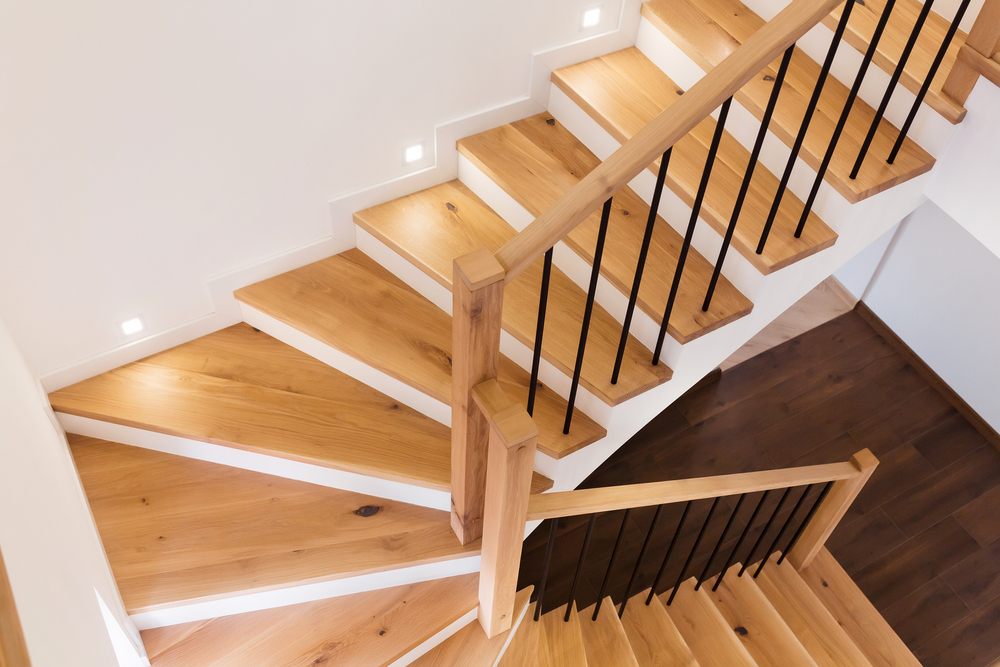
A hardwood hallway can look freshly finished while the staircase beside it tells a different story. In homes around Vancouver’s 98682 ZIP code, stair treads often show heavier wear, darker aging, old stain colors, or finish damage long before the surrounding hardwood needs replacement.
The good news is that mismatched stairs do not automatically mean you need a new staircase.
Quick answer: Hardwood stair refinishing can often bring existing treads much closer to the color, sheen, and overall appearance of an adjoining hardwood hallway without replacing the staircase. The process typically involves evaluating the wood species and condition, removing the worn finish, preparing the existing treads, testing stain or natural finish options, and applying a new protective finish. Exact color matching is not always possible because stairs and hallway flooring may have aged differently, but careful refinishing can create a much more intentional transition.
What local homeowners should know
-
Existing solid hardwood stair treads can often be refinished when the wood itself remains structurally sound.
-
Homes in east Vancouver and the 98682 area may have stairways that receive substantially more concentrated foot traffic than nearby hall flooring.
-
Natural light from entryways, upstairs windows, and open stairwells can cause stairs and hallway flooring to age at different rates.
-
Matching involves more than stain color because wood species, sanding, existing finish, age, and sheen all affect the final appearance.
-
Refinishing is different from replacing worn, cracked, loose, or structurally damaged stair components.
Why Hardwood Stairs and Hallways Stop Matching
Hardwood stairs and hallways stop matching because they experience different levels of traffic, sunlight, cleaning, finish wear, and previous refinishing, even when they were originally installed with the same wood. In Vancouver homes, an upstairs hall may retain much of its original finish while each stair tread receives repeated concentrated wear in the same walking path.
Staircases are unusual hardwood surfaces because people repeatedly step in nearly identical places. The center and front edge of each tread can therefore wear differently from both the surrounding tread and the hallway above it.
Sun exposure can create another difference. Homes around 98682, including properties near Cascade Park, Fisher’s Landing, Evergreen, and Hearthwood, often have layouts where a stairwell receives light from an entry, landing, or second-story window. Over time, exposed wood can change color differently from flooring in a more shaded hallway.
Previous renovations matter too. A hall may have been refinished while the stairs were left untouched, or the staircase may have received a darker stain during an earlier remodel.
Au Natural Hardwood Floors works with hardwood flooring and stair surfaces in the Vancouver area. When we evaluate a stair-to-hall transition, the goal is to understand what can realistically be matched before deciding how the existing wood should be refinished.
Local Field Observations for Vancouver Hardwood Stairs
A common local pattern is stair wear that becomes obvious before the adjoining hardwood hall looks ready for refinishing. This is a professional field observation rather than a published local statistic, and the difference is largely explained by how stair treads concentrate footsteps, edge wear, household traffic, and repeated cleaning into relatively small areas.
Southwest Washington’s seasonal moisture changes can also affect wood surfaces and the way finishes age. Vancouver typically moves through cool, wet months and much drier summer periods. Indoor heating during cooler weather and seasonal changes in household humidity can contribute to normal wood movement.
That does not mean the regional climate is responsible for every stair problem. Gaps, squeaks, cracks, looseness, or discoloration should be evaluated individually rather than blamed automatically on moisture.
How Refinishing Helps the Stairs Match the Hall
Refinishing helps stairs match the hallway by removing worn surface finish and creating a new color and sheen relationship between the two hardwood areas. The best result comes from treating the hall as the visual reference while accounting for differences in wood species, age, grain, previous stain, and natural color variation.
The process may include sanding the stair treads to expose clean wood, preparing corners and edges, evaluating color options, and applying a compatible finishing system.
Color is only part of the equation.
A satin hallway beside glossy stairs can look mismatched even when the stain is close. Likewise, two pieces of the same wood can take stain differently because of grain patterns or previous sanding.
For that reason, small samples or test areas can be especially useful before committing to a final appearance.
Warning Signs Your Stair Treads May Need Refinishing
Stair treads may be candidates for refinishing when the damage is primarily in the finish rather than the structure of the staircase. Vancouver homeowners should look closely at both the walking surface and tread edges because worn finish can become progressively more visible when it sits beside a better-preserved hardwood hallway.
Common signs include:
-
Finish that looks dull or noticeably thinner in the center of the tread
-
Bare-looking wood where the protective coating has worn away
-
Scratches that are widespread rather than isolated
-
A stair color that looks dramatically different from the adjoining hall
-
Uneven sheen from tread to tread
-
Dark traffic paths or worn front edges
-
Previous stain or coating that no longer fits an updated hardwood floor
-
Surface wear that remains visible after routine cleaning
Deep cracks, movement, significant damage, or loose stair components require a different evaluation than ordinary finish wear.
When to Call a Hardwood Flooring Professional
Professional evaluation makes sense when matching the hallway matters, the stairs have an unknown finish history, or sanding mistakes could permanently alter tread profiles and edges. Homeowners can safely monitor wear and keep the staircase clean, but refinishing involves material removal and finishing choices that are difficult to reverse once the work begins.
Stairs also require more detailed sanding than an open room. Corners, riser transitions, nosing, walls, balusters, and trim can restrict equipment access.
A professional can also help determine whether the apparent mismatch is mostly finish-related or whether the underlying wood itself differs from the hallway.
That distinction matters in Vancouver homes that have been remodeled in stages.
Common Causes of Mismatched Hardwood Stairs in 98682
The most common causes of mismatched hardwood stairs in 98682 are concentrated wear, different finishing histories, sunlight exposure, and differences in the underlying wood. Identifying which factor is responsible helps determine whether refinishing alone can provide the visual continuity a homeowner wants.
1. Heavy foot traffic
Every trip upstairs places pressure on a relatively narrow path. A hallway spreads wear over a much larger area.
2. Separate refinishing projects
The hall may have been sanded or recoated during a previous renovation while the staircase remained unchanged.
3. Sunlight and natural aging
Windows near stair landings or entrances can affect how exposed hardwood changes color over time.
4. Different wood species or grades
A staircase and hallway can look similar under dark stain while actually being made from different materials. Once stripped, those differences may become more apparent.
5. Different finish sheen
A gloss difference can exaggerate an otherwise modest color variation.
6. Previous repairs
Individual treads may have been replaced or patched at different times, creating variations that become noticeable during refinishing.
Maintaining Refinished Stairs in Southwest Washington
Refinished hardwood stairs last best when homeowners limit grit, moisture, abrasive cleaning, and unnecessary wear while maintaining reasonably stable indoor conditions. In Clark County, wet-season debris near entrances can easily travel onto hardwood surfaces, so keeping outdoor moisture and grit away from the staircase is particularly useful during fall and winter.
Use flooring-appropriate cleaning products and avoid soaking the treads. Small amounts of standing water should be wiped up promptly.
Entry mats can help trap outdoor grit before it travels through the home. Regular gentle cleaning also reduces the fine abrasive particles that can gradually dull a finish.
If the stairs begin losing sheen in traffic areas, ask about maintenance before waiting until exposed wood becomes obvious.
DIY maintenance should generally stop at cleaning and routine care unless you understand the existing finish system. Applying an incompatible coating or spot stain can make later refinishing more complicated.
What Results Can You Expect From Stair Refinishing?
Homeowners can expect refinishing to make worn hardwood stairs look cleaner, more consistent, and substantially better coordinated with nearby flooring, but they should not expect every tread to become visually identical to the hallway. Wood is a natural material, and age, grain, species, previous coatings, and sun exposure can all influence the final color.
A successful project may make the transition feel intentional even when subtle differences remain.
That is often a more realistic objective than trying to force two differently aged hardwood surfaces into an artificial exact match.
Common Stair Refinishing Mistakes
The biggest refinishing mistakes occur when homeowners focus only on stain color and overlook wood condition, sanding, sheen, and the existing hallway finish. These details are particularly noticeable on open staircases found throughout Vancouver because the stairs and adjoining floor may be visible together from several angles.
Mistake: Choosing stain from a small store sample alone.
Consequence: The color can look very different on the actual tread.
Better approach: Evaluate samples on comparable wood whenever practical.
Mistake: Ignoring finish sheen.
Consequence: Matching colors can still look noticeably different.
Better approach: Consider color and sheen together.
Mistake: Aggressively sanding tread edges or nosing.
Consequence: The tread profile can become uneven.
Better approach: Use sanding methods appropriate for detailed stair surfaces.
Mistake: Assuming every mismatch can be solved with darker stain.
Consequence: Natural grain and species differences may remain while the stairs become darker than intended.
Better approach: Identify why the surfaces differ before choosing a finish.
A Common 98682 Stair Refinishing Scenario
A common 98682 scenario involves an upstairs hardwood hallway that still looks relatively even while the staircase below it has darker traffic areas, worn nosing, and an older finish color. The homeowner likes the existing staircase and does not want the cost or disruption of replacing otherwise serviceable hardwood components.
In this situation, the first question is not, “Which stain matches?”
It is whether the existing treads can be prepared to create a compatible appearance with the hall.
After the wood and existing finishes are evaluated, sample colors and sheen levels can help establish a realistic target. The resulting staircase may not duplicate every board in the hallway, but it can often look like the two areas belong together again.
Related Hardwood Flooring Solutions
Related hardwood services can address both the staircase itself and the surrounding flooring when a mismatch extends beyond normal tread wear. Depending on the condition of the home, solutions may include stair tread refinishing, hardwood floor refinishing, finish maintenance, color evaluation, or repair of individual hardwood areas before refinishing.
For Vancouver homeowners who are already planning to refinish an upstairs hall, evaluating the stairs at the same time can help create a more coordinated plan.
Refinishing vs. Replacing the Staircase
Refinishing is generally the better option when existing hardwood treads are sound and the main problem is appearance, while replacement becomes more relevant when stair components are severely damaged, unsuitable, or part of a larger structural renovation. The right choice depends on what is underneath the worn finish rather than how dated the surface looks today.
Refinishing preserves usable existing wood and focuses the project on surface restoration.
Replacement can provide more flexibility when materials need to change completely, but it also involves a more extensive scope.
If your main complaint is that the stairs no longer match the hallway, replacement should not automatically be the first assumption.
Hardwood Stair Refinishing Service Areas
Hardwood stair refinishing is relevant for homeowners throughout Vancouver and nearby Clark County communities where existing hardwood staircases need to coordinate with updated flooring. We serve local flooring needs in the Vancouver area, including homes around 98682 and surrounding communities such as Camas and nearby east Clark County neighborhoods.
What Happens If Worn Stair Finish Is Ignored?
Ignoring worn stair finish can allow normal surface wear to progress until more bare wood is exposed, making maintenance and future restoration more involved. This matters most at tread centers and front edges, where Vancouver households may see concentrated wear from daily traffic.
Cosmetic differences can also become more pronounced as one surface continues aging differently from another.
Addressing the issue does not necessarily mean immediate replacement. It means determining whether maintenance or refinishing makes sense while the existing wood remains suitable for restoration.
Frequently Asked Questions
Can hardwood stairs in Vancouver be refinished to match an existing hallway?
Yes, hardwood stairs in Vancouver can often be refinished to coordinate closely with an existing hallway when the wood and previous finishes are compatible. Exact matching is not guaranteed because wood changes with age, light exposure, sanding, and finish history, but professional sampling can help identify a color and sheen that creates a cohesive transition.
Do I need to replace old stair treads if the finish is worn?
No, worn finish alone does not necessarily mean stair treads need replacement. If the hardwood remains structurally sound, refinishing may restore the surface without removing the existing staircase. Cracked, loose, severely damaged, or unsuitable treads should be evaluated separately before deciding whether restoration or replacement makes more sense.
Why are my stairs darker than my hallway in a 98682 home?
Stairs can become darker than a hallway because of older stain, finish wear, accumulated traffic patterns, sunlight exposure, or a different refinishing history. In 98682 homes remodeled over several years, it is also possible that the hall and staircase received different coatings or were installed from different batches or species of wood.
Can stair treads be refinished without refinishing the entire floor?
Yes, stairs can often be refinished as a separate project, although the adjoining flooring should be evaluated carefully when matching is the goal. If a Vancouver hallway is in good condition, keeping it intact may be reasonable while using its existing color and sheen as the visual reference for the staircase.
Does Southwest Washington weather affect hardwood stairs?
Southwest Washington’s seasonal moisture patterns can influence indoor wood movement, although interior humidity, heating, ventilation, and individual home conditions are also important. Hardwood should be protected from direct moisture regardless of season. Wet shoes and tracked-in debris during Clark County’s rainy months can also contribute to surface wear near entries and stairs.
Should I choose the exact same stain used on my hallway?
Using the same stain does not automatically produce the same color because different boards, wood species, sanding conditions, and aging can change how stain appears. A better approach is to compare actual samples against the existing hallway under the home’s lighting rather than relying entirely on a stain name or formula.
Can scratched stair treads in Vancouver be repaired without full refinishing?
Some minor surface wear may be manageable through maintenance, but widespread scratching or exposed wood can indicate that refinishing deserves consideration. The appropriate approach depends on the existing coating and depth of damage. Applying a random spot coating can create uneven sheen or compatibility problems, so significant damage should be evaluated first.
Is fall or winter a bad time to refinish hardwood stairs in Vancouver?
Stair refinishing can be considered during different seasons as long as the indoor conditions and finishing requirements are appropriate for the products being used. Vancouver’s wetter fall and winter weather makes controlling tracked-in moisture particularly important, while household scheduling, ventilation, indoor conditions, and product requirements also affect project planning.
Make Your Hardwood Stairs Look Like They Belong With the Floor Again
A worn staircase does not have to undermine an otherwise attractive hardwood hallway. For homeowners in Vancouver and the 98682 area, careful refinishing can often restore existing treads and create a more cohesive transition without automatically replacing the staircase.
Bring Your Staircase and Hardwood Hall Back Into Balance
We can evaluate the existing wood, wear, and finish so you can understand which refinishing options make sense for your home.