

Residential Hardwood Flooring Installation in Vancouver, WA: Timeline, Prep, and What Affects the Quote
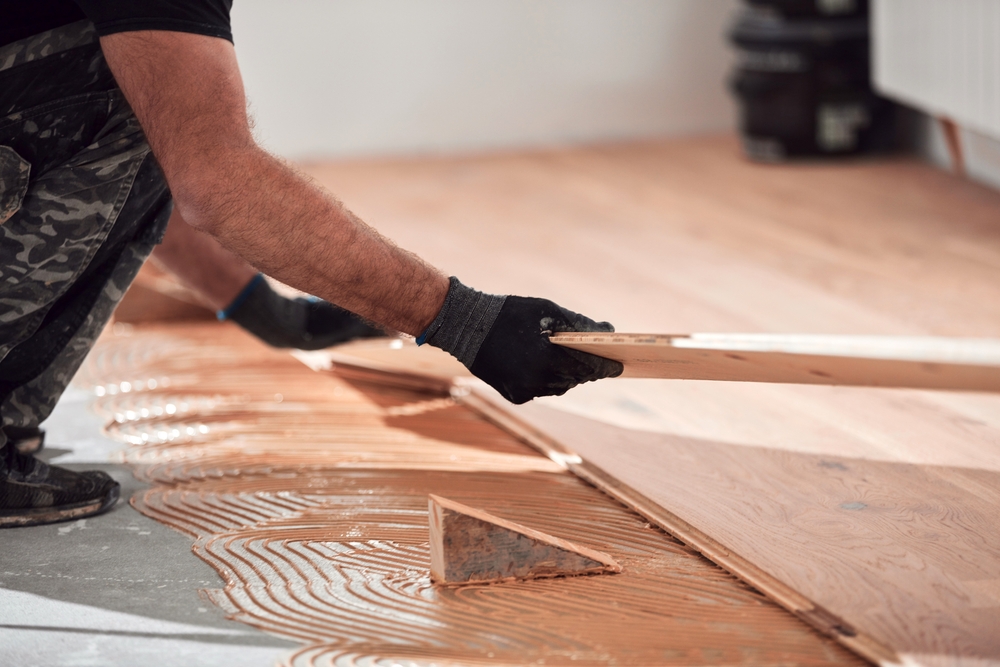
Installing hardwood flooring can change the look and feel of a home, but the installation itself starts well before the first board goes down. For Vancouver, WA homeowners, moisture conditions, subfloor preparation, room layout, and the condition of an existing floor can all affect how a project is scheduled and priced.
Quick answer: Residential hardwood flooring installation typically involves an initial evaluation, material planning, site preparation, acclimation when appropriate for the flooring product, installation, and finishing or final detailing. The timeline can range from several days to longer for larger or more complicated projects. Quotes are affected by square footage, wood and installation method, subfloor condition, demolition, stairs, transitions, floor layout, and finishing requirements.
What local homeowners should know
-
A flooring quote should account for more than the square footage because preparation can represent a significant part of the work.
-
Vancouver’s wet, mild Pacific Northwest climate makes moisture conditions an important consideration before installing wood flooring.
-
Homes in established areas such as Arnada, Hough, and Lincoln may present different subfloor and remodeling conditions than newer construction elsewhere in Clark County.
-
Furniture removal, existing flooring demolition, baseboards, transitions, stairs, and floor repairs can all change the project schedule.
-
A site evaluation helps identify conditions that cannot reliably be determined from room dimensions alone.
Why Does Hardwood Flooring Installation Require Careful Planning in Vancouver, WA?
Hardwood flooring installation requires careful planning in Vancouver, WA because wood and the materials beneath it can respond to moisture and changing indoor conditions. The region’s wet winters and comparatively dry summers make site conditions, subfloor evaluation, and manufacturer requirements important parts of planning a successful installation.
The City of Vancouver describes the local climate as typical of the Pacific Northwest, with wet, mild winters and dry, warm summers. City design information also places the area in Climate Zone 4C-Marine.
That seasonal pattern matters when natural wood is being brought into a house. Flooring products, subfloors, crawlspaces, HVAC operation, and indoor humidity can all influence installation decisions.
A house near the Columbia River may also have different site characteristics from a home farther north toward Salmon Creek or east toward Camas. The correct approach comes from evaluating the actual home rather than applying one installation formula to every property.
At Au Natural Hardwood Floors, we approach residential hardwood projects by considering the flooring along with the conditions that will support it.
What Is the Typical Hardwood Flooring Installation Timeline?
A typical hardwood flooring installation timeline includes evaluation, preparation, any required material conditioning, installation, and finishing or final detail work. The exact number of days depends on the size and complexity of the Vancouver-area project, whether old flooring must be removed, and whether the new floor is prefinished or finished on site.
Before installation begins, the project may require measurements, material selection, moisture evaluation, furniture planning, demolition, or subfloor work.
Installation can then proceed once the site and flooring are ready. Straightforward rooms with suitable subfloors generally move faster than projects involving several connected rooms, stairs, intricate layouts, repairs, or significant transitions between flooring materials.
Site-finished hardwood introduces additional steps because sanding, staining when selected, finish application, and appropriate drying or curing periods must be incorporated into the schedule.
How Should Homeowners Prepare for Hardwood Flooring Installation?
Homeowners can prepare for hardwood flooring installation by clearing work areas, planning for furniture and pets, confirming access, and discussing existing flooring and subfloor concerns before work begins. Good preparation reduces avoidable interruptions and gives the flooring crew a more predictable work environment.
Ask in advance who will handle furniture, appliances, baseboards, doors, and disposal of removed flooring. If you are staying in the home, determine which rooms and pathways will remain usable during the project.
For households in Felida, Fisher’s Landing, Cascade Park, or central Vancouver, planning is especially useful when hardwood will run continuously through kitchens, hallways, living areas, and adjoining rooms. A whole-level installation can require a different living arrangement than replacing the floor in one bedroom.
Pets should also be kept safely away from active work areas, tools, adhesives, dust-control equipment, and freshly finished surfaces.
What Factors Affect a Hardwood Flooring Quote?
A hardwood flooring quote is primarily affected by material, square footage, installation method, floor preparation, demolition, layout complexity, stairs, transitions, and finishing requirements. Two Vancouver homes with the same flooring area can receive different quotes when the conditions underneath the existing floors or the amount of detail work differ.
Important quote factors include:
-
Flooring material: Species, grade, board dimensions, construction, and finish affect material requirements and installation.
-
Existing flooring removal: Carpet, tile, laminate, engineered flooring, or old wood may require different removal processes.
-
Subfloor condition: Uneven, damaged, loose, or moisture-affected areas may need attention before hardwood can be installed.
-
Installation method: Nail-down, staple-down, glue-down, and other approved methods have different labor and preparation requirements.
-
Room configuration: Closets, angled walls, multiple doorways, fireplaces, and connected spaces increase cutting and detail work.
-
Stairs: Treads, risers, landings, and stair nosing require substantially different work from an open rectangular room.
-
Transitions and trim: Meeting tile, carpet, exterior doors, cabinetry, or flooring at different heights requires careful detailing.
-
Site finishing: Sanding, stain selection, finish coats, and drying or curing time add steps that prefinished flooring may not require.
A detailed site evaluation is therefore more useful than relying on a simple price-per-square-foot assumption.
What Local Conditions Should Be Checked Before Installation?
Local installation conditions should include the subfloor, moisture levels, indoor environment, and any signs of previous water problems. In Clark County’s Pacific Northwest climate, flooring preparation should account for the actual conditions inside the home rather than assuming that every dry-looking subfloor is ready for wood.
Wood is hygroscopic, meaning it exchanges moisture with its surroundings. Installation requirements vary by flooring manufacturer and product, so appropriate moisture testing and preparation should be matched to the material being installed.
Homes with crawlspaces deserve particular attention to conditions below the floor. Plumbing leaks, exterior water intrusion, or other moisture problems should also be addressed before covering the affected area with new hardwood.
Warning signs to address before installation
Look for flooring that feels soft or unusually flexible, visible staining, persistent musty odors, existing wood with significant gaps or cupping, squeaks associated with movement, noticeably uneven areas, evidence of past leaks, or damaged subfloor material.
These conditions do not automatically prevent hardwood installation, but they may require additional investigation or preparation.
When Should You Call a Hardwood Flooring Professional?
Call a hardwood flooring professional when you need to determine whether the existing floor system is ready for installation, especially if you see moisture damage, unevenness, movement, or complicated transitions. Professional evaluation is also useful when planning continuous flooring through several rooms or matching an existing hardwood floor.
Homeowners can safely clear rooms, identify known leak history, note squeaks, and discuss how they want adjoining spaces to function.
Subfloor diagnosis, moisture-related installation decisions, sanding, finishing, and detailed hardwood installation are different matters. Errors at those stages can become visible across an entire floor.
What Common Conditions Can Complicate Hardwood Installation?
The most common complications are unsuitable subfloor conditions, moisture concerns, difficult demolition, height changes, complex layouts, and unexpected conditions beneath existing flooring. In older Vancouver and Clark County homes, previous remodeling can also reveal layers of flooring or repairs that were not visible during an initial conversation.
A carpeted room, for example, may appear straightforward until the carpet and pad are removed. The exposed surface could require fastening, leveling work, repairs, or other preparation.
Transitions can create another challenge. Hardwood meeting tile in a kitchen, carpet in a bedroom, or an exterior doorway needs to be planned for appearance, height, and safe movement between surfaces.
How Can Homeowners Protect a New Hardwood Floor?
Homeowners can protect new hardwood by controlling tracked-in moisture and grit, following appropriate cleaning guidance, maintaining a stable indoor environment, and addressing spills promptly. Those habits are especially useful through Southwest Washington’s rainy months, when shoes can bring more water and abrasive debris indoors.
Use entry mats where appropriate and avoid allowing standing water to remain on wood. Felt protectors beneath furniture can reduce scratches, while regular removal of grit helps limit surface abrasion.
Follow the flooring and finish manufacturer’s cleaning recommendations rather than assuming that a cleaner marketed for general floors is appropriate for hardwood.
What Results Should You Expect From Professional Hardwood Installation?
Professional hardwood installation should produce a floor that is properly laid out, securely installed using the appropriate method, and carefully detailed around walls, doorways, transitions, and other fixed elements. The exact appearance depends on the wood selected because natural variation in grain and color is part of a real hardwood floor.
For site-finished flooring, homeowners should also understand the chosen stain and finish process before work starts. For prefinished products, board appearance and factory finish are selected earlier in the project.
The goal is not to make natural wood look artificially identical from board to board. Good planning uses that variation intentionally across the room.
What Hardwood Flooring Installation Mistakes Should Homeowners Avoid?
Common hardwood flooring mistakes include rushing preparation, ignoring moisture conditions, assuming every subfloor is installation-ready, and comparing quotes only by their bottom-line price. These shortcuts can affect the finished appearance, schedule, or scope of a Vancouver flooring project.
Mistake: Choosing an installation date without considering preparation.
Consequence: Unexpected demolition or subfloor work can disrupt the schedule.
Better approach: Determine what preparation is included before setting expectations for completion.
Mistake: Comparing quotes without comparing scope.
Consequence: A lower quote may simply exclude work included elsewhere.
Better approach: Compare demolition, preparation, trim, transitions, stairs, finishing, and cleanup line by line.
Mistake: Covering a known moisture problem.
Consequence: The underlying condition remains after the new floor is installed.
Better approach: Identify and correct the moisture source first.
What Is a Common Vancouver Hardwood Flooring Scenario?
A common local scenario is a homeowner replacing mixed flooring across several connected living spaces and wanting one continuous hardwood surface. The project may involve carpet in a living room, another material in a hallway, and existing flooring in a dining area or kitchen.
Once the old materials are removed, differences in subfloor height or condition may become visible. Doorways and adjoining rooms also need transitions or coordinated elevations.
This is why an accurate flooring plan looks at the entire installation area rather than treating every room as an isolated square-foot calculation.
Which Hardwood Flooring Services May Be Needed?
A residential hardwood project may require removal, subfloor preparation, new flooring installation, sanding, staining, finishing, transitions, or related detail work depending on the existing conditions and flooring selected. Not every project requires every service, so the appropriate scope should be based on an evaluation of the home.
We can discuss the intended look, existing flooring, installation areas, and conditions that may affect the project before the final scope is established.
Should You Choose DIY or Professional Hardwood Installation?
DIY installation can suit homeowners with the necessary tools and flooring experience, while professional installation is generally better suited to projects involving extensive preparation, site finishing, stairs, moisture questions, or complicated layouts. The choice should reflect the difficulty of the actual Vancouver home rather than square footage alone.
A small, simple room is very different from connecting a kitchen, hallway, living room, and staircase. Likewise, installing boards is only one part of the job. Layout, cutting, fastening, expansion requirements, transitions, preparation, and finishing all influence the final result.
What Areas Around Vancouver Can Have Similar Flooring Considerations?
Homes throughout Vancouver and surrounding Clark County communities can face similar hardwood planning considerations because they share the broader Southwest Washington climate. Properties in Camas, Salmon Creek, Felida, Cascade Park, and neighborhoods near the Columbia River can still differ significantly in construction, subfloor type, age, and site conditions.
The individual property should always guide the installation plan.
What Can Happen If Flooring Problems Are Ignored Before Installation?
Ignoring subfloor damage, active moisture problems, or significant unevenness before hardwood installation can turn a preparation issue into a problem beneath a finished floor. Correcting accessible conditions before installation is generally more practical than removing newly installed material to investigate them later.
This does not mean every squeak or imperfection requires major repair. It means questionable conditions should be evaluated before they disappear beneath a new floor.
Frequently Asked Questions About Hardwood Flooring Installation
How long does hardwood flooring installation take in Vancouver, WA?
Hardwood flooring installation may take several days or longer depending on the project. Square footage, demolition, preparation, stairs, layout, installation method, and whether the floor is finished on site all affect scheduling. A project-specific timeline should be developed after the scope and existing conditions are understood.
Does hardwood need to acclimate before installation in Vancouver?
Acclimation requirements depend on the flooring product, manufacturer instructions, and job-site conditions rather than a universal number of days. Vancouver’s seasonal moisture changes make proper site evaluation important. The flooring and building conditions should meet the requirements established for the specific hardwood product and installation system.
Why can two Vancouver hardwood flooring quotes be very different?
Two quotes can differ because they may include different materials, preparation, demolition, trim, transitions, finishing, or stair work. Homeowners should compare the complete scope instead of comparing only total price or price per square foot. Ask what happens if additional subfloor preparation becomes necessary after demolition.
Does Vancouver’s rainy climate affect hardwood floors?
The local climate makes moisture management relevant to hardwood flooring, although indoor and building conditions matter more than rain alone. Wet Pacific Northwest winters can increase the importance of controlling tracked-in water, checking for leaks, and evaluating moisture conditions before installation. Properly maintained hardwood can still be a practical residential flooring choice.
Can hardwood be installed in an older Clark County home?
Yes, hardwood can often be installed in older homes when the existing floor system is suitable or can be appropriately prepared. Older properties may have previous repairs, multiple flooring layers, uneven areas, or unusual transitions. An evaluation helps determine what preparation is necessary before selecting the installation approach.
Can new hardwood run through a kitchen and living room?
Yes, hardwood can often create a continuous visual connection between kitchens, living rooms, hallways, and dining areas. The plan must account for cabinets, appliances, doorways, adjoining floor heights, installation direction, and the selected flooring product. Connected spaces should be evaluated together before installation begins.
Does replacing flooring require a permit in Vancouver, WA?
Straightforward finish-floor replacement should be distinguished from a larger remodel that alters the building. The City of Vancouver states that residential permits apply to various construction, alteration, addition, and repair projects, including remodels involving structural changes. Homeowners whose flooring project is part of broader alteration work should confirm applicable requirements with the correct jurisdiction.
What should I remove before hardwood installers arrive?
Remove personal belongings and small movable items from the work area, then confirm responsibility for larger furniture and appliances before installation day. Do not assume every contractor’s preparation scope is identical. Clarifying furniture, baseboards, doors, appliances, demolition, and disposal ahead of time can prevent delays once work starts.
Plan Your Vancouver Hardwood Floor Around the Home You Actually Have
Hardwood installation is most predictable when the flooring, subfloor, home layout, and preparation requirements are considered together. For Vancouver-area homeowners, planning for local moisture conditions and understanding exactly what a quote includes can make it easier to compare options and prepare for the work.
Start Your Vancouver Hardwood Flooring Project With a Clear Plan
Get a flooring plan based on your home, your selected hardwood, and the conditions of the installation area. We can help you understand the preparation and installation scope before work begins.