

Hardwood Floor Refinishing vs. Replacement: Which Option Is Right for Your Vancouver, WA Home?
Your hardwood floors have seen better days. Maybe they look dull and scuffed, or perhaps they have deeper damage that no amount of cleaning can fix. If you are a homeowner in Vancouver, WA weighing the decision between hardwood floor refinishing vs replacement, you are not alone. It is one of the most common questions flooring professionals in the area hear, and the answer is not always straightforward. The right choice depends on the condition of your floors, your budget, your timeline, and your long-term plans for the home.
This guide walks you through everything you need to know so you can make a confident, informed decision.
The Difference Between Refinishing and Replacement
Before diving into which option fits your situation, it helps to understand exactly what each process involves.
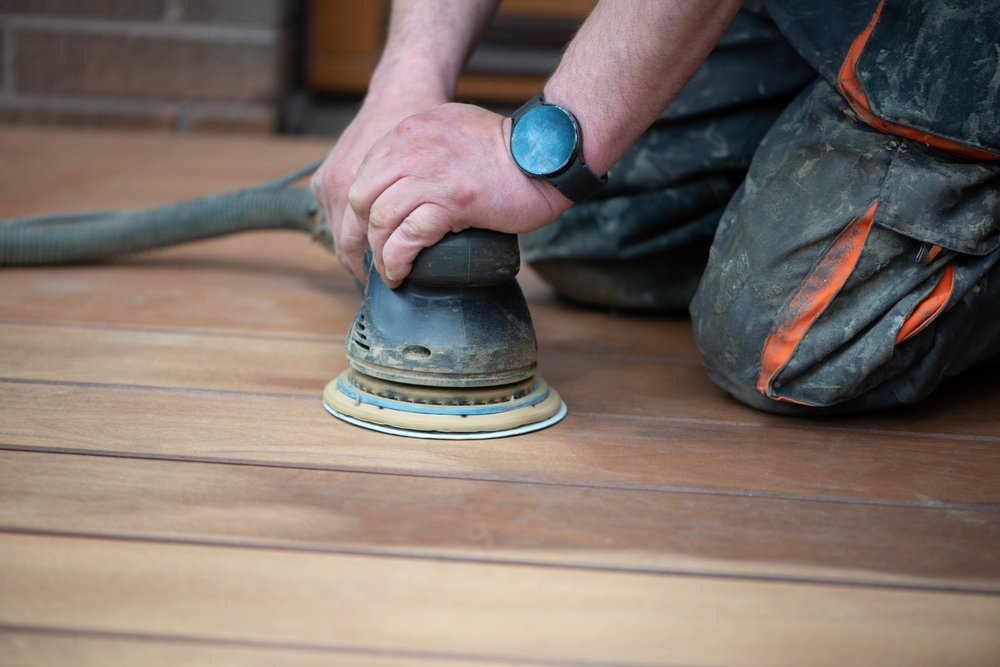
Refinishing means sanding down the existing hardwood to remove the old finish, stains, and surface scratches. Once the wood is bare, a contractor applies a fresh stain (if desired) and multiple coats of protective sealant. The result looks like a brand-new floor without actually replacing the boards. This process is less invasive, generates less waste, and typically costs far less than a full replacement.
Replacement, on the other hand, means tearing out the old flooring entirely and installing new hardwood planks. This is a bigger project that takes more time, more materials, and more labor. However, it is sometimes the only viable path forward when floors are too far gone to salvage.
When homeowners in Vancouver, WA compare hardwood floor refinishing vs replacement, the goal is always to get the best outcome for the least disruption and cost. Understanding your floor’s actual condition is the critical first step.
Signs That Refinishing Is the Right Choice
For many Vancouver homeowners, refinishing is the smarter move. If your floors are structurally sound but simply look worn, refinishing can restore them beautifully at a fraction of the replacement cost.
You are likely a good candidate for refinishing if your floors show surface scratches, fading from sunlight, dullness from years of foot traffic, or minor discoloration. These are all cosmetic issues that sanding and recoating can address effectively. Even small dents or light staining that have not penetrated deeply into the wood grain can often be sanded away.
Another key factor is board thickness. Most solid hardwood floors can be refinished multiple times over their lifespan. If a professional checks your boards and confirms they have enough thickness remaining above the tongue-and-groove joint, refinishing is a safe and effective option.
Cost savings are significant as well. Refinishing a standard-sized living room or bedroom typically costs a fraction of what new hardwood installation would run. For homeowners managing a renovation budget, that difference can free up resources for other improvements around the house.
Finally, refinishing is a more environmentally responsible choice. Keeping your original wood floors rather than sending them to a landfill reduces waste and preserves the character of older growth wood, which is often denser and harder than many modern alternatives.
Signs That Replacement Is Necessary
Sometimes the damage goes too deep for refinishing to help. Knowing when to replace rather than restore can save you from investing money in a fix that will not last.
Structural damage is the clearest signal that replacement is the right call. If your boards are warped, cupped, or buckled due to water damage or prolonged moisture exposure (which is a real concern in the Pacific Northwest climate), sanding will not solve the underlying problem. Warped boards will remain uneven no matter how many times they are sanded.
Significant rot is another dealbreaker for refinishing. If moisture has penetrated deep into the wood and caused softness or decay, those boards need to come out entirely. Leaving compromised wood underneath a fresh finish is a short-term fix that will lead to bigger (and costlier) problems down the road.
Deep staining from pet accidents, flooding, or long-term leaks can also penetrate beyond what sanding can reach. If the discoloration goes all the way through the board, no amount of surface work will remove it.
Boards that are too thin are also a replacement indicator. Every sanding removes a small layer of wood. If your floors have been refinished several times already and the boards are thin, there may not be enough material left to sand safely without risking damage to the tongue-and-groove structure.
Finally, if you simply want a different species of wood, a wider plank format, or a completely different look that your current flooring cannot achieve, replacement gives you that creative freedom.
Cost Considerations for Vancouver, WA Homeowners
When comparing hardwood floor refinishing vs replacement in Vancouver, WA, cost is often the deciding factor. The Pacific Northwest construction market has its own pricing dynamics, so it is useful to have a general sense of what to expect locally.
Refinishing costs vary based on square footage, the number of coats applied, stain selection, and the complexity of the job. However, it is consistently less expensive than full replacement. For a typical Vancouver home, the difference between refinishing and replacing the same area of hardwood flooring can be thousands of dollars.
Replacement costs include not just materials but also demolition, disposal, subfloor preparation, installation labor, and finishing. High-quality hardwood materials, especially wider planks or exotic species, add to that total quickly. If your subfloor needs repair or leveling once the old floors come up, that adds another layer of expense.
It is worth getting at least two or three quotes from licensed flooring contractors in Vancouver, WA before committing to either path. A professional assessment will tell you whether your floors are truly in refinishable condition or whether replacement is genuinely necessary, which protects you from spending money on refinishing work that will not hold up.
How Vancouver’s Climate Affects Your Decision
Vancouver, WA sits in a region known for its wet winters and mild summers. That moisture-rich environment has a meaningful impact on hardwood floors over time and plays a role in the hardwood floor refinishing vs replacement conversation.
Homes that have experienced water intrusion, whether from a leaking roof, plumbing issue, or flooding, are more likely to have the kind of moisture damage that makes replacement necessary rather than refinishing. Even slow, chronic humidity can cause cupping and warping in poorly ventilated spaces.
On the other hand, well-maintained hardwood floors in climate-controlled Vancouver homes often hold up beautifully for decades. If your home has a good HVAC system, proper vapor barriers, and no history of water issues, your floors may be excellent refinishing candidates even if they look rough on the surface.
When you bring in a flooring professional, mention any history of moisture issues in the home. That context helps them give you a more accurate assessment and steers the hardwood floor refinishing vs replacement decision in the right direction for your specific situation.
Conclusion
Deciding between hardwood floor refinishing vs replacement comes down to the current condition of your floors, your budget, and your goals for the space. For most Vancouver, WA homeowners with structurally sound floors, refinishing delivers a stunning result at a lower cost and with less disruption. When the damage is too deep or widespread, replacement is the better long-term investment. Either way, working with an experienced local flooring contractor ensures you get an honest assessment and quality results that will last for years to come.