

Matching New Hardwood to Existing Floors in Vancouver, WA: Why It’s Harder Than Homeowners Expect
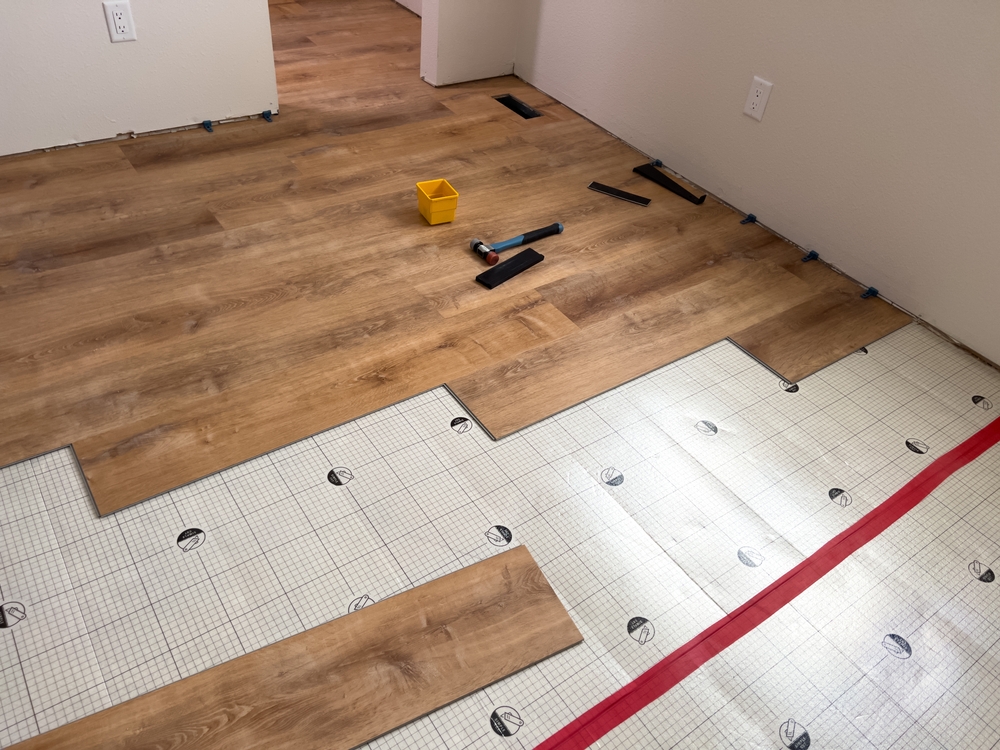
Hardwood floors have a timeless appeal that makes them one of the most sought-after features in homes across Clark County, WA. Whether you’re adding a new room, replacing a damaged section, or expanding your living space, the idea of matching new hardwood to existing floors sounds simple enough on the surface. Pick the same wood species, find a similar stain color, and you’re done, right? Unfortunately, homeowners in Vancouver, WA quickly discover that hardwood floor color matching is far more nuanced than a quick trip to the flooring store.
Between sun fading, finish wear, and the quirks of Pacific Northwest humidity, blending old and new hardwood floors is one of the trickiest challenges in home renovation.
Why Hardwood Floors Change Over Time
The first thing to understand is that hardwood floors are living materials. Even after they’ve been milled, finished, and installed, wood continues to react to its environment. In the Pacific Northwest, where Vancouver, WA experiences a climate marked by wet winters and warm, dry summers, floors go through considerable seasonal stress. They expand when humidity rises and contract when the air dries out. Over months and years, this movement subtly changes the character of the wood.
Beyond the physical changes, light exposure plays a major role in how floors age. South-facing rooms in Clark County, WA homes often receive intense UV exposure that bleaches or darkens certain wood species significantly. Oak, one of the most popular hardwood floor choices in the region, tends to yellow and amber with age. Cherry darkens considerably over time. Walnut, on the other hand, can actually lighten as it oxidizes. What this means for the homeowner is that the “original” color of the floor no longer exists in its original form. You’re not matching a static color; you’re trying to match a color that has been evolving for years, sometimes decades.
Finish wear compounds this problem further. High-traffic areas like hallways, kitchens, and entryways will show more wear than bedrooms or formal dining rooms. A floor that looks consistently dark in photos may have significant color variation from one end of the room to the other. Any attempt at matching new hardwood to existing floors has to account for this uneven patina.
The Species and Cut Problem in Clark County, WA
Even when a homeowner knows exactly which species of wood was used in their original installation, replicating it is not guaranteed. Wood is a natural product, and its appearance varies based on where the tree grew, how it was cut, and how it was dried. A red oak floor installed fifteen years ago in a Vancouver, WA home came from trees that no longer exist. The replacement boards come from entirely different trees with their own grain patterns, density, and pore structure.
The cut of the wood matters enormously for hardwood floor color matching. Plainsawn boards, which are the most common and affordable, show a cathedral grain pattern. Quartersawn boards display tighter, more uniform grain lines. Riftsawn boards have a linear, consistent look with minimal ray flecks. If your existing floor is quartersawn white oak and you purchase plainsawn white oak to fill a damaged section, the visual difference will be obvious even before stain is applied.
Engineered hardwood introduces another layer of complexity. Many homes in Clark County, WA have engineered floors installed over concrete slabs or in basements where solid hardwood would not be appropriate. Engineered boards have a thin veneer of real wood over a plywood core, and the veneer thickness limits how much sanding and refinishing can be done. Blending old and new hardwood floors becomes especially difficult when one side of the equation is engineered and the other is solid, or when veneer thicknesses differ between old and new stock.
Staining and Finishing: Where Color Matching Gets Complicated
Assume for a moment that you’ve found the right species, the right cut, and the right width. You still have to get the stain and finish right, and this is where even experienced contractors in Vancouver, WA can struggle. Stain colors from flooring manufacturers are not standardized. A color called “Provincial” from one brand will look noticeably different from “Provincial” by another. Even within the same brand, formulas can change between product runs.
New wood also absorbs stain differently than aged wood. Fresh boards are more porous and tend to drink up stain faster, which can result in a darker, more saturated appearance compared to the existing floor. Hardwood floor color matching often requires custom blending, which means a skilled finisher mixes multiple stain colors to dial in the right hue and tone for the specific batch of new wood being used. This is part science and part artistry.
The finish coat is equally important. Floors finished with oil-based polyurethane have a warm, amber glow. Water-based finishes dry clearer and cooler in tone. If your existing floor has an oil-based finish and you apply a water-based finish to the new boards, the two sections will look distinctly different even if the stain color is identical. In the Pacific Northwest, where open-concept floor plans are common and new additions frequently connect directly to original living spaces, this mismatch is painfully visible.
The Realistic Options for Blending Old and New Hardwood Floors
Homeowners in Vancouver, WA generally have three approaches when tackling this problem. The first is a full refinish of the entire floor. If you’re adding new boards to a section of an existing floor, having a professional sand and refinish the entire surface after installation gives everything a uniform appearance. The old boards and new boards start at the same point and receive the same stain and finish treatment. This is the most reliable way to achieve a truly seamless result, though it does come with cost and disruption.
The second option is spot blending, where a skilled finisher feathers in stain and finish at the seam between old and new wood. This requires significant expertise and works best when the color difference between sections is modest. In Clark County, WA, this approach is popular for smaller repairs where a full refinish feels like overkill.
The third option is embracing contrast by using a transition strip or a different wood treatment to intentionally distinguish old from new. Some homeowners in the Pacific Northwest choose to install a different species or finish in a new addition as a design statement rather than trying to achieve an invisible match. This approach removes the pressure of perfect matching and, when done thoughtfully, can actually enhance the overall aesthetic of the home.
Conclusion
Matching new hardwood to existing floors in Vancouver, WA is a challenge that deserves realistic expectations from the start. Wood changes, products evolve, and no two floors age the same way. Hardwood floor color matching in Clark County, WA is a skilled trade that goes far beyond picking a stain chip off a display rack. Whether you’re blending old and new hardwood floors in a Pacific Northwest craftsman, a mid-century ranch, or a modern new build, working with a flooring professional who understands local conditions and has experience with custom finishing will make the difference between a floor that looks patched together and one that tells a cohesive story throughout your home.