

Hardwood Floor Refinishing in Vancouver, WA: Recoat vs. Full Sand (How to Know Which You Need)
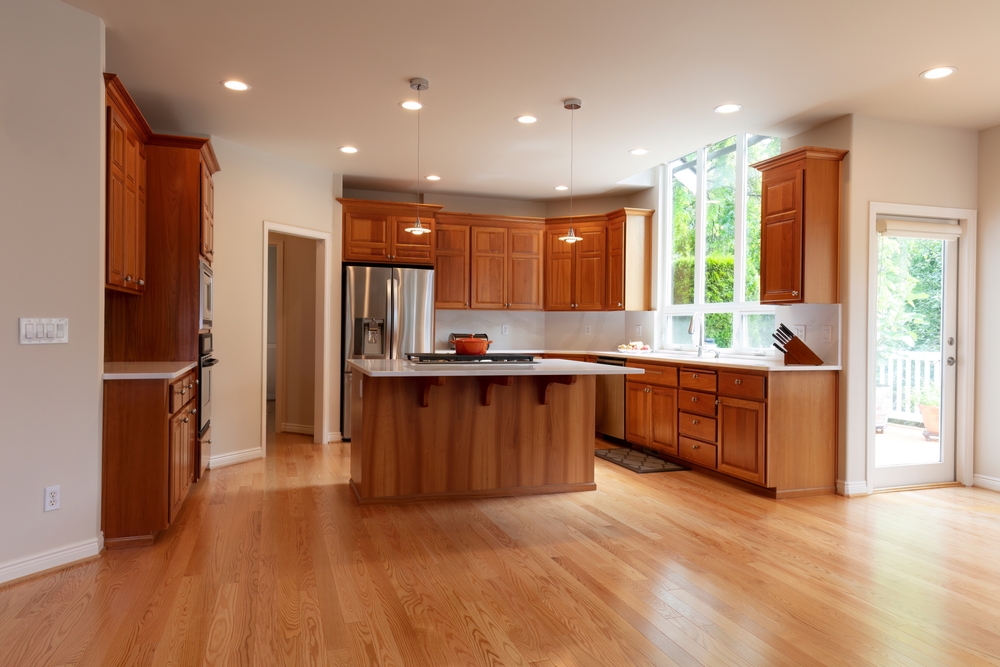
Hardwood floors in Vancouver homes deal with wet winters, tracked-in grit, pets, furniture movement, and years of normal foot traffic. When the finish starts looking dull or scratched, homeowners often assume the entire floor needs to be sanded down.
That is not always the case. Sometimes a professional recoat can restore protection and appearance without removing the existing finish and exposing fresh wood.
Quick answer: A recoat is usually appropriate when the hardwood itself is still in good condition and the problems are limited to dullness, light surface scratches, or normal finish wear. A full sand and refinish is usually needed when damage has reached the wood, the existing finish is failing, stains or deep scratches need correction, or you want to make a significant color change.
What Vancouver homeowners should know
-
A recoat adds a new protective finish over a properly prepared existing finish rather than sanding the floor down to bare wood.
-
Full sanding removes the existing finish and a small amount of wood, making it appropriate for deeper wear and more substantial appearance changes.
-
Vancouver’s long wet season can mean more moisture, mud, and abrasive debris being carried onto hardwood floors near entrances.
-
Homes throughout Clark County vary widely in age, flooring species, previous coatings, and renovation history, so the right approach should be based on the actual condition of the floor.
-
Choosing the less aggressive option when it will solve the problem can preserve more of the hardwood for future refinishing.
Why the Recoat vs. Full Sand Decision Matters in Vancouver
Choosing between recoating and full sanding matters because the two processes solve different levels of hardwood floor wear and involve very different amounts of material removal. For Vancouver homeowners, correctly identifying the condition of the finish can help avoid unnecessary sanding while still addressing damage that a simple new coat cannot hide.
The Pacific Northwest’s wetter months create a particular maintenance challenge. Rainwater, damp shoes, pet traffic, and fine grit can repeatedly reach entryways, kitchens, hallways, and other heavily traveled areas.
Homes near the Columbia River, established neighborhoods around downtown Vancouver, and communities such as Felida, Hazel Dell, Salmon Creek, and Cascade Park can also have hardwood floors from very different construction and remodeling periods. Some floors may have been refinished before, while others may still have older coatings whose compatibility needs to be evaluated.
At Au Natural Hardwood Floors, we look at what is happening to both the protective finish and the wood beneath it before determining which refinishing approach makes sense.
Local Field Observations for Hardwood Floors
A common local pattern is that hardwood floors often show their first serious wear in entryways, kitchens, hallways, and paths connecting the home’s busiest rooms. These areas receive repeated foot traffic along with the dirt and moisture that Vancouver’s rainy months can bring indoors.
A floor can look tired without actually being deeply damaged. Loss of sheen and fine surface scratching may primarily affect the finish.
Other floors tell a different story. Deep scratches, exposed wood, dark discoloration, peeling finish, or substantial uneven wear suggest that the problem extends beyond the uppermost coating.
Previous flooring work also matters. A floor may have wax, polish, acrylic products, cleaners that leave residue, or an older finish system that affects whether another coat will properly bond.
That is why appearance alone does not always reveal whether a recoat is appropriate.
How Hardwood Floor Wear Affects Vancouver Homes
Hardwood floor wear affects both appearance and the protective barrier that helps keep everyday traffic and spills from reaching the wood itself. Once that barrier becomes severely worn, delaying maintenance can allow relatively minor finish deterioration to become a more involved refinishing project.
In a busy Clark County household, the difference can become most noticeable around exterior doors. A small amount of grit under shoes acts as an abrasive every time someone walks across the floor.
Pets can add claw marks and traffic patterns. Dining chairs can create concentrated scratching. Kitchen areas may experience repeated spills and cleaning.
These issues do not automatically mean the floor needs sanding. The important question is whether the visible damage is primarily in the finish or has penetrated into the wood.
Warning Signs Your Hardwood Floors May Need Attention
The clearest warning signs are persistent dullness, visible wear paths, deep scratches, exposed wood, finish failure, and stains that no longer appear limited to the surface. Vancouver homeowners should pay particular attention to heavily traveled spaces and areas near exterior entrances.
Watch for:
-
Large areas that remain dull after normal cleaning.
-
Fine scratches spread across the finish but not visibly cut into bare wood.
-
Traffic lanes where the protective coating appears noticeably thinner.
-
Deep scratches or gouges that expose lighter or raw-looking wood beneath the finish.
-
Gray or discolored areas where the finish may have worn away.
-
Dark staining that appears to have penetrated the wood.
-
Peeling, flaking, or otherwise failing finish.
-
Significant differences in appearance between protected areas and frequently used walking paths.
The type and depth of damage are more useful than simply counting scratches.
When a Recoat Is Usually Enough
A recoat is usually enough when the existing finish is fundamentally sound and the floor has mainly lost sheen or developed minor surface-level wear. It can refresh the protective layer without sanding all the way down to bare hardwood.
This can be a good option for a Vancouver floor that still looks structurally and visually sound but no longer has the appearance or surface protection it once did.
A recoat generally makes the most sense when:
-
Scratches are confined mainly to the finish.
-
The coating is worn but not peeling or extensively failing.
-
There are no significant bare-wood areas.
-
Deep stains do not need to be removed.
-
The homeowner is generally satisfied with the current floor color.
-
The existing finish is suitable for recoating after proper evaluation and preparation.
The floor still needs to be prepared correctly. Applying new finish over contamination, residue, or an incompatible coating can create adhesion problems.
When Full Sanding and Refinishing Is Usually Needed
Full sanding and refinishing is usually needed when wear or damage has gone through the finish and into the hardwood, or when the existing coating needs to be completely removed. Sanding also provides substantially more flexibility when correcting widespread damage or changing the floor’s appearance.
A full sand may be appropriate when there are deep scratches, exposed wood, substantial staining, widespread finish failure, or pronounced wear that a new topcoat cannot correct.
It may also make sense when homeowners want a meaningful stain-color change. Because recoating works with the existing finished surface, it is not the same process as sanding back to bare wood and starting a new finishing system.
For homes in Vancouver’s older neighborhoods, previous renovations can make evaluation especially important. The current surface may represent only the latest chapter in a floor that has already undergone one or more refinishing projects.
Common Causes of Hardwood Floor Wear in Vancouver
The most common local causes of hardwood floor wear are everyday foot traffic, abrasive debris, moisture near entrances, pets, furniture movement, and delayed finish maintenance. Vancouver’s seasonal rainfall makes controlling tracked-in moisture and grit particularly important.
1. Grit and outdoor debris
Small particles carried indoors can scratch a finished surface repeatedly. Entry mats and routine cleaning can reduce the amount that reaches hardwood.
2. Wet footwear and seasonal moisture
Rainy days are a normal part of life in Southwest Washington. Water sitting on hardwood should be wiped up rather than allowed to remain on the surface.
3. Pet traffic
Repeated claw contact can create visible scratching, particularly along common paths through kitchens, hallways, and living spaces.
4. Moving chairs and furniture
Dining chairs, stools, couches, and other furniture can damage finishes when protective pads wear out or collect grit underneath them.
5. Normal coating wear
Even properly cared-for finishes experience wear over time. Addressing surface wear before bare wood is exposed may leave more maintenance options available.
How to Maintain Hardwood Floors Between Refinishing Projects
The best way to extend the useful life of hardwood flooring is to keep abrasive debris under control, clean with appropriate products, manage moisture, and address finish wear before bare wood becomes exposed. These habits are especially useful during Vancouver’s wetter fall and winter months.
Use walk-off mats at exterior entrances and clean underneath them regularly. Sweep or vacuum grit before it gets ground into the finish.
Wipe spills and tracked-in water promptly rather than leaving moisture standing on the floor.
Check felt pads and other furniture protectors periodically. Pads can flatten, fall off, or collect abrasive material.
Avoid assuming that every cleaner or polish marketed for shiny floors belongs on finished hardwood. Products that leave films or residues can complicate future coating work.
Homeowners can safely monitor surface wear and keep floors clean, but determining coating compatibility or how deeply a damaged area extends is better handled during a professional evaluation.
What Results Can You Expect From a Recoat?
A successful recoat can restore a more consistent appearance and renew the protective finish, but it will not erase damage that already extends into the wood. Understanding that limitation helps Vancouver homeowners choose the process based on the condition they want corrected.
Fine surface wear may become much less noticeable after preparation and recoating.
Deep gouges, pronounced dents, dark stains, gaps, or damage within the wood will not simply disappear beneath a fresh finish.
A recoat should therefore be viewed as finish renewal, not as a substitute for sanding when the hardwood itself needs correction.
What Results Can You Expect From Full Sanding?
Full sanding provides greater ability to address worn finish, many scratches, some stains, and appearance changes because the existing finish is removed before the new finishing system is applied. The achievable result still depends on the flooring species, condition, thickness, previous sanding, and depth of damage.
Some defects can run too deeply into the boards to disappear completely without removing an unreasonable amount of wood.
Boards with structural damage or other significant problems may require a different solution.
The goal is not simply to sand until every imperfection disappears. The process should balance appearance with preservation of the floor itself.
Common Refinishing Mistakes
The most common refinishing mistakes involve choosing a process based only on appearance, waiting until finish wear reaches bare wood, or applying products that interfere with future coatings. A better approach is to match the treatment to the actual depth and type of wear.
Mistake: Assuming every scratched floor needs sanding.
Consequence: Usable wood may be removed when the damage is limited to the finish.
Better approach: Determine whether the scratches are surface-level before choosing full refinishing.
Mistake: Assuming a recoat can hide deep damage.
Consequence: The floor receives new protection, but the underlying scratches or stains remain visible.
Better approach: Use sanding when correcting damage within the wood is part of the goal.
Mistake: Waiting until large areas are bare.
Consequence: Wear can become more difficult to address with maintenance alone.
Better approach: Monitor traffic lanes and finish condition periodically.
Mistake: Using unknown polishes or restoration products.
Consequence: Residue may complicate future coating adhesion.
Better approach: Use cleaning and maintenance products appropriate for the existing floor finish.
A Common Vancouver Hardwood Floor Scenario
A common Vancouver scenario is a hardwood floor that looks dullest between the main entrance, kitchen, and living area while protected edges still retain more of their original appearance. This traffic pattern may indicate finish wear, but the correct treatment depends on whether scratches and worn areas have reached the wood.
If examination shows mostly superficial finish wear and a sound existing coating, recoating may provide the needed renewal.
If the same walking path contains exposed wood, deep scratches, staining, or widespread finish failure, sanding and refinishing may be more appropriate.
Two floors with nearly identical dull-looking traffic lanes can therefore require different solutions.
Hardwood Floor Refinishing Options We Can Evaluate
Professional hardwood floor refinishing can include either maintenance-focused recoating or more extensive sanding and refinishing, depending on the condition and goals for the floor. The useful first step is identifying which process addresses the actual problem without doing more work than necessary.
We can evaluate visible wear, finish condition, scratching, exposed wood, staining, and the overall refinishing goals for the space.
For homeowners who like their existing floor color and primarily want renewed protection, a recoat may deserve consideration.
For floors needing deeper correction or a substantial appearance change, full sanding may provide the appropriate path.
Recoat vs. Full Sand: Comparing Your Options
Recoating is the less invasive option for sound floors with surface-level finish wear, while full sanding is the more comprehensive option for deeper damage, failing coatings, and major appearance changes.
| Consideration | Recoat | Full Sand and Refinish |
|---|---|---|
| Existing finish removed completely | No | Yes |
| Best for light surface wear | Yes | Can address it, but may be more work than necessary |
| Addresses deep scratches in wood | No | Often, depending on depth |
| Helps with major stain-color changes | Limited | Better suited |
| Removes a small amount of wood | No full sanding | Yes |
| Appropriate for widespread finish failure | Usually not | Often |
| Preserves maximum wood thickness | Yes | Removes some wood |
| Depends on existing coating compatibility | Yes | Less dependent on preserving the existing coating |
The most aggressive process is not automatically the best process. The right option is the one that solves the floor’s actual problem.
Hardwood Floor Refinishing Service Areas
Hardwood floor owners in Vancouver and surrounding Clark County communities face many of the same wear concerns, particularly around wet-weather entry traffic and everyday household use. Our local service area may include nearby communities such as Camas, Washougal, Hazel Dell, Salmon Creek, and surrounding areas.
What Happens If You Ignore Worn Hardwood Finish?
Ignoring a worn hardwood finish can allow surface-level wear to progress until the wood itself is increasingly exposed to traffic, dirt, spills, and discoloration. What might have been manageable as finish maintenance can eventually require more extensive refinishing.
That does not mean every dull floor is an emergency.
The practical goal is to recognize when the protective layer is becoming depleted, particularly along Vancouver household traffic routes and exterior entries.
Checking the floor before extensive bare-wood wear develops can give you a clearer understanding of your available options.
FAQ About Hardwood Floor Refinishing in Vancouver, WA
Can hardwood floors be recoated instead of sanded in Vancouver, WA?
Yes, some hardwood floors in Vancouver can be recoated instead of fully sanded when the existing finish remains sound and the wear is mainly superficial. Light scratching, reduced sheen, and normal finish wear may be candidates. Deep scratches, exposed wood, staining, or coating failure usually require a different approach.
How do I know if scratches are too deep for a recoat?
Scratches are generally too deep for a recoat when they have penetrated through the finish and visibly damaged or exposed the hardwood itself. A new coat can protect the surface but cannot remove a gouge in the wood. A professional assessment can distinguish finish scratches from deeper board damage.
Does Vancouver’s rainy climate affect hardwood floor wear?
Yes, Vancouver’s rainy climate can contribute indirectly to hardwood wear because moisture, grit, and outdoor debris are frequently tracked through entrances during wetter months. Promptly wiping up water, using clean entry mats, and removing abrasive particles can help reduce unnecessary wear on the protective finish.
Can recoating change the color of my hardwood floors?
A recoat generally is not the right process for making a major hardwood color change because the existing finish and underlying appearance remain in place. Vancouver homeowners seeking a substantially different stain color will usually need to consider sanding and refinishing, subject to the floor’s species and condition.
How often should Vancouver homeowners refinish hardwood floors?
There is no single refinishing schedule that applies to every Vancouver home because wear depends on traffic, pets, cleaning practices, finish type, flooring condition, and other factors. Instead of refinishing by calendar alone, watch the protective surface and seek evaluation when persistent wear, exposed wood, or significant scratching develops.
Can an older Clark County hardwood floor be sanded again?
Possibly, but an older hardwood floor should be evaluated before another sanding because its remaining usable thickness and previous refinishing history matter. Some floors have already been sanded multiple times. Determining whether another full sanding is appropriate requires inspecting the flooring rather than relying solely on the home’s age.
Will a recoat remove pet scratches from hardwood?
A recoat may improve the appearance of very light pet scratches that are limited to the existing finish, but it will not remove scratches that cut into the hardwood itself. Homes with active pets in Vancouver often have a mixture of superficial marks and deeper scratches, making inspection helpful.
Can I wait until spring to address worn hardwood floors in Vancouver?
You may be able to monitor minor finish wear, but exposed wood, peeling finish, or areas repeatedly receiving moisture should not be ignored simply because of the season. Vancouver’s wet months can make entrance protection particularly valuable. The floor’s current condition matters more than choosing an arbitrary month for evaluation.
Is full sanding always better than recoating?
No, full sanding is not automatically better because sanding removes wood that does not need to be removed when the existing floor only needs finish renewal. When a Vancouver floor is a suitable recoat candidate, the less aggressive process can preserve more material while restoring surface protection.
Choose the Right Refinishing Approach for Your Vancouver Hardwood Floors
Knowing whether your hardwood floor needs a recoat or full sanding starts with determining whether the damage is in the finish or in the wood itself. Vancouver homes experience plenty of normal floor wear, and not every dull or scratched surface needs the same treatment.
We can help evaluate the floor’s condition and explain which refinishing path fits what you want to accomplish.
Protect Your Hardwood Without Doing More Than Necessary
Get a clear assessment of your hardwood floor’s wear so you can choose between recoating and full sanding with confidence.