

Hardwood Floor Sanding Levels Explained: What Clark County, WA Homeowners Should Know Before Refinishing
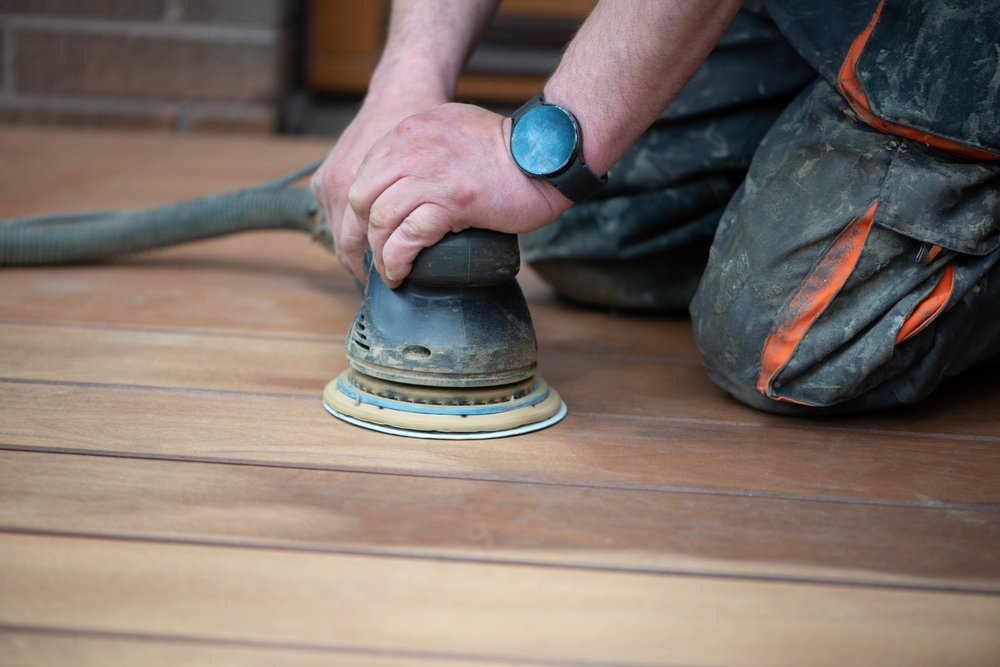
Homeowners across Clark County, WA are rediscovering the value of their existing hardwood floors and choosing to restore them rather than replace them. It is a smart investment, but before you pick up a sander or hire a contractor, there is one concept you need to understand clearly: sanding levels. The hardwood floor sanding process is not a one-size-fits-all approach. Different floors require different levels of sanding, and choosing the wrong level can cost you time, money, and even damage floors that could have lasted another generation.
This guide breaks down what sanding levels mean, how they apply to your specific situation, and what to expect when working with professional hardwood floor refinishing services in Vancouver, WA and the surrounding area.
What Does “Sanding Level” Actually Mean?
When flooring professionals talk about sanding levels, they are referring to the aggressiveness of the sanding process and how much material is being removed from the surface of your hardwood floor. This is typically measured by the grit of sandpaper used, which ranges from very coarse (lower numbers like 16 to 36 grit) to very fine (higher numbers like 80 to 120 grit).
The hardwood floor sanding process almost always involves multiple passes, each with progressively finer grit paper. The first pass, or the cut, does the heavy lifting. It removes the old finish, scratches, stains, and surface irregularities. Each subsequent pass smooths out the scratch pattern left by the previous grit, working toward a clean, uniform surface ready for staining and finishing.
Sanding levels are generally grouped into three categories: light, medium, and heavy (sometimes called a full sand). Understanding which level your floor needs is the foundation of a successful refinishing project. Getting it wrong is one of the most common and costly mistakes made during the hardwood floor sanding process.
Light Sanding: When Your Floor Just Needs a Refresh
Light sanding, sometimes called a screen and recoat or a buff and coat, is the least aggressive option. It typically uses fine-grit screens or pads (around 80 to 120 grit) and does not actually remove the existing finish entirely. Instead, it scuffs up the surface just enough to give the new coat of finish something to bond to.
This level is ideal for floors that are in generally good shape but have lost their sheen, look dull, or have minor surface-level wear. If your hardwood floors in Clark County, WA were last refinished within the past five to ten years and have not sustained deep scratches, pet stains, or significant traffic damage, a light sand may be all you need.
The benefits are significant. Light sanding is faster, less expensive, generates far less dust, and preserves more of your floor’s thickness. Hardwood floors can only be sanded a limited number of times in their lifetime, depending on the thickness of the wear layer above the tongue and groove. Every pass of a drum sander removes material permanently. Choosing a light sand when it is appropriate extends the life of your floor and protects your investment.
However, light sanding has its limits. It will not remove deep scratches, cupping, warping, or old stains that have penetrated the wood. Applying a new coat over those problems will not hide them and may even make them more visible once the sheen is restored.
Medium Sanding: The Most Common Choice for Pacific Northwest Homes
Medium sanding is where most professional hardwood floor refinishing projects in Vancouver, WA fall. This level typically starts with a medium-grit cut (around 40 to 60 grit) before progressing through finer grits to prepare the surface for finishing.
A medium sand removes the old finish completely, addresses light to moderate scratches, eliminates minor surface staining, and can correct slight unevenness in the floor. This is the sweet spot for floors that have seen years of regular use but have not suffered major structural damage or extreme discoloration.
Homes across the Pacific Northwest, including those in Clark County, WA, often deal with moisture-related issues due to the regional climate. Wood naturally expands and contracts with changes in humidity, and over time this can lead to minor cupping or gapping between boards. A medium sand, done correctly by an experienced technician, can often address these minor movement-related imperfections and bring the surface back to a smooth, even plane.
Knowing how to sand hardwood floors correctly at this level requires skill and the right equipment. Rental drum sanders are notoriously unforgiving. An inexperienced operator can leave visible drum marks, sand unevenly across the width of the floor, or remove too much material in a short period of time. This is a key reason why many homeowners in the Pacific Northwest choose to bring in professionals rather than tackle a medium-level sand on their own.
Heavy (Full) Sanding: For Floors That Have Seen Better Days
A heavy or full sand starts with coarse-grit paper, sometimes as low as 16 to 24 grit, and is reserved for floors with serious surface damage. This includes deep gouges, heavy staining that has penetrated well into the wood, severe cupping or crowning caused by water damage, paint overspray, or floors that were previously finished with certain oil-based products that require full removal before refinishing.
Full sanding is also the right choice when a floor has been refinished multiple times with patch jobs, overlapping finish layers, or inconsistent sanding over the years. In older homes throughout Clark County, WA, it is not uncommon to discover floors that have been partially refinished, spot-repaired, or treated with incompatible products. A full sand levels the playing field and allows for a fresh, consistent start.
The trade-off is that heavy sanding removes the most material. For solid hardwood floors with a thick wear layer, this is manageable. But for thinner engineered hardwood or floors that have been refinished many times already, there may not be enough material left to support a full sand. A professional refinisher will measure the remaining wear layer and advise accordingly before starting work.
For homeowners considering professional hardwood floor refinishing in Vancouver, WA, a reputable contractor will always assess the floor before recommending a sanding level. Any company that quotes a price without first inspecting the floor in person is skipping a step that matters.
How to Choose the Right Sanding Level for Your Home
Choosing the right sanding level comes down to three things: the current condition of the floor, the history of previous refinishing work, and the goals you have for the final result.
Start by inspecting your floor carefully in natural light. Look for scratches, discoloration, unevenness, soft spots, and areas where the finish has worn through entirely. If the damage is limited to the finish layer and does not affect the wood beneath, a lighter approach may be sufficient. If you are seeing raw wood, deep gouges, or significant color variation from stains or sun exposure, a heavier sand is likely needed.
For homeowners in Clark County, WA who want a reliable answer, the best approach is to schedule a consultation with a professional who understands the hardwood floor sanding process and has experience working with the specific wood species and floor conditions common to the Pacific Northwest. Local knowledge matters. A contractor familiar with how to sand hardwood floors correctly in this region will understand how seasonal humidity affects wood behavior and how to time a refinishing project for the best results.
Conclusion
Understanding sanding levels puts you in a stronger position before any refinishing project begins. Whether your Clark County, WA floor needs a simple refresh or a complete overhaul, matching the sanding level to the actual condition of your floor is what separates a great result from a costly mistake. When in doubt, consult a professional hardwood floor refinishing specialist in Vancouver, WA who can assess your specific situation and recommend the right approach for your home.