

Engineered Hardwood Installation in Vancouver, WA: What Homeowners Should Know Before Choosing a Floor
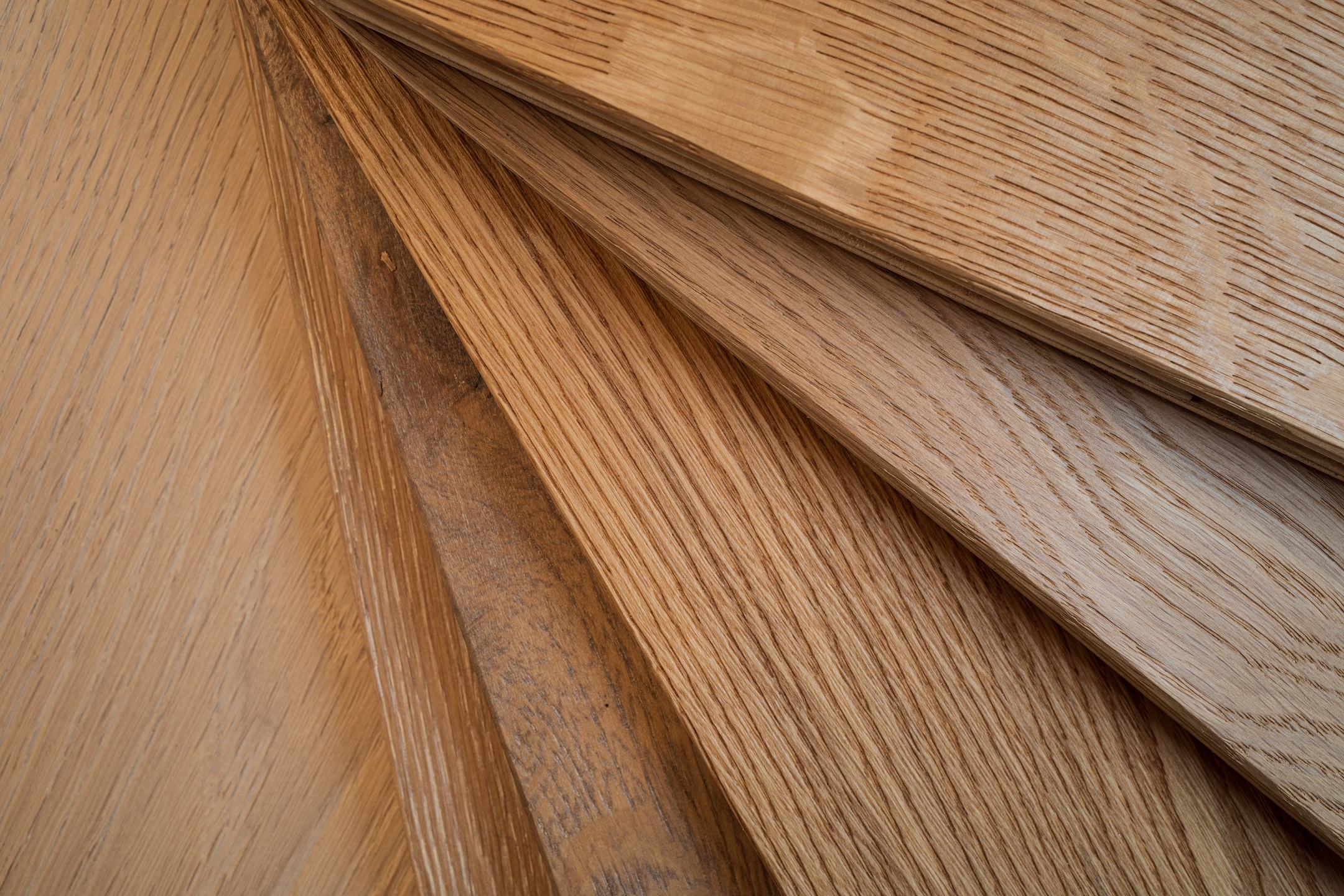
Choosing new hardwood flooring is a major decision for homeowners in Vancouver, WA, especially with the Pacific Northwest’s rainy seasons and changing indoor humidity. From older homes in Hough to newer properties in Fisher’s Landing, the right flooring needs to complement the home’s appearance while handling everyday wear and seasonal moisture changes.
Engineered hardwood is a popular option worth considering, but understanding how it performs, what installation requires, and where problems can develop helps homeowners make a more informed investment.
Quick Answer: Engineered hardwood flooring uses a real wood surface bonded to a layered core, providing greater dimensional stability than traditional solid hardwood in many indoor environments. For Vancouver homeowners, it can be a practical choice where seasonal humidity changes are a concern. However, successful installation depends on the flooring product, subfloor condition, moisture testing, and installation method. Choosing the right materials and preparing the space properly are essential for long-term performance.
What Vancouver homeowners should know
-
Engineered hardwood is real wood flooring, but its layered construction generally responds differently to humidity than solid hardwood.
-
Clark County’s wet winters make moisture testing and subfloor preparation especially important before installation.
-
Homes in Cascade Park and Salmon Creek may have different subfloor conditions depending on their age, construction, and previous flooring.
-
Not every engineered hardwood product can be refinished, so veneer thickness and manufacturer specifications matter.
-
Professional installation can help identify moisture concerns, uneven subfloors, and other conditions before new flooring is installed.
At Au Natural Hardwood Floors, we understand that selecting hardwood flooring involves more than choosing a color or wood species. Homeowners also need to consider how the flooring will perform in their particular space, especially in a region where moisture management is an ongoing concern.
How Does Engineered Hardwood Perform in Vancouver’s Climate?
Engineered hardwood generally performs well in Vancouver’s climate because its layered construction reduces some of the expansion and contraction associated with solid wood flooring. However, it is not waterproof, and excessive moisture can still cause swelling, cupping, delamination, or other damage if the flooring or subfloor is exposed to unsuitable conditions.
The region’s mild, wet winters and relatively dry summers can create changing indoor humidity levels. Homes near the Columbia River, in the Felida area, or throughout central Vancouver may experience different indoor conditions depending on ventilation, heating, insulation, and building construction.
Engineered hardwood can accommodate normal seasonal changes when installed according to manufacturer requirements. However, the flooring must be suitable for the installation environment.
Before installation, we recommend evaluating:
-
Subfloor moisture levels and material type.
-
Indoor temperature and relative humidity.
-
Existing signs of water intrusion or moisture damage.
-
Manufacturer requirements for acclimation and installation.
-
Whether a moisture-control system or underlayment is necessary.
The goal is to establish suitable conditions before installation rather than expecting the flooring to compensate for an underlying moisture problem.
What Are the Benefits of Engineered Hardwood for Local Homes?
The primary benefits of engineered hardwood for local homes are its real wood appearance, dimensional stability, and installation versatility. Depending on the product, engineered hardwood may be suitable for concrete or wood subfloors and can provide homeowners with more installation options than traditional solid hardwood.
Real hardwood appearance
Engineered hardwood has a genuine hardwood wear layer. Popular wood appearances include white oak, red oak, hickory, and maple, with finishes ranging from natural tones to darker stains.
For homeowners updating properties in neighborhoods such as Lincoln or Esther Short, engineered hardwood can complement both traditional architectural details and modern interior designs.
Greater dimensional stability
Because the core consists of multiple layers, engineered hardwood typically experiences less dimensional movement than solid wood under comparable environmental changes.
This can be helpful during Pacific Northwest seasonal transitions, although indoor humidity still needs to remain within the flooring manufacturer’s recommended range.
Flexible installation methods
Depending on the flooring and subfloor, engineered hardwood may be installed using glue-down, floating, or nail-down methods.
Not every installation method is suitable for every product or home. The manufacturer’s specifications and the existing subfloor determine which approach is appropriate.
What Warning Signs Should Homeowners Check Before Installation?
Warning signs before engineered hardwood installation include moisture damage, uneven surfaces, loose subfloor materials, and evidence of previous flooring failures. Identifying these conditions early can prevent installation problems and help homeowners determine whether repairs or additional preparation are necessary.
Watch for these seven concerns:
-
Soft or spongy areas: Sections of flooring that flex excessively may indicate damaged or weakened subfloor materials.
-
Musty odors: Persistent odors near flooring can suggest an unresolved moisture issue.
-
Visible water staining: Discoloration near exterior doors, windows, or plumbing fixtures deserves investigation.
-
Uneven flooring: Dips, high spots, and noticeable slopes may require assessment before installation.
-
Existing floor cupping: Raised board edges can indicate moisture imbalance in existing wood flooring.
-
Loose or squeaking subfloors: Movement beneath the flooring can affect installation quality.
-
Condensation or dampness: Moisture on concrete or around lower-level spaces may indicate unsuitable installation conditions.
These signs do not automatically mean engineered hardwood cannot be installed. They indicate that the underlying cause should be evaluated first.
When Should You Call a Professional Hardwood Flooring Installer?
Homeowners should contact a professional hardwood flooring installer when subfloor conditions are uncertain, moisture problems are suspected, or the flooring requires specialized preparation. Professional evaluation is particularly useful for Vancouver properties with concrete slabs, older wood subfloors, or previous water damage.
Basic homeowner checks can include looking for visible damage, noting uneven areas, and monitoring indoor humidity with a hygrometer.
However, determining whether a subfloor meets flooring manufacturer requirements often requires specialized moisture-testing equipment and knowledge of installation tolerances.
At Au Natural Hardwood Floors, we encourage homeowners to address potential installation concerns before purchasing materials or scheduling work. Proper planning can reduce avoidable complications once the project begins.
What Common Conditions Affect Engineered Hardwood Installation in Clark County?
The most common conditions affecting engineered hardwood installation in Clark County include subfloor moisture, surface flatness, seasonal humidity changes, and existing structural or flooring damage. Each condition can influence product selection, installation methods, and the preparation required for a successful project.
1. Moisture in concrete subfloors
Concrete can transmit moisture even when its surface appears dry. Appropriate testing helps determine whether the selected flooring and adhesive system are suitable.
2. Uneven wood subfloors
Older homes may have localized movement, damaged panels, or surface irregularities. Subfloor preparation requirements vary by flooring product.
3. Seasonal indoor humidity changes
Heating systems and seasonal weather can affect indoor moisture levels. Maintaining manufacturer-recommended conditions helps reduce unwanted wood movement.
4. Previous leaks or water damage
Homes with past plumbing leaks, exterior drainage problems, or moisture intrusion may require repairs before installation begins.
5. Existing flooring and underlayment
Removing old flooring can reveal adhesive residue, damaged materials, or uneven surfaces that were not visible during initial planning.
How Can Homeowners Maintain Engineered Hardwood Floors?
Maintaining engineered hardwood floors requires controlling moisture, removing abrasive debris, and following the flooring manufacturer’s cleaning recommendations. For Vancouver homeowners, consistent entryway protection and indoor humidity monitoring are particularly helpful during rainy months and seasonal transitions.
Practical maintenance habits include:
-
Use entry mats near exterior doors to reduce tracked-in rainwater, dirt, and grit.
-
Wipe up spills promptly rather than allowing moisture to sit between boards.
-
Clean with products approved by the flooring manufacturer.
-
Avoid steam mops and excessive wet mopping unless expressly permitted by the manufacturer.
-
Place protective pads beneath furniture legs.
-
Monitor indoor humidity throughout the year.
-
Inspect areas near sinks, dishwashers, and exterior doors for signs of water exposure.
During wetter months, pay particular attention to entrances and areas where shoes, pets, or umbrellas may introduce moisture.
In summer, monitor indoor humidity as heating and cooling patterns change. The appropriate humidity range depends on the flooring product and its specifications.
What Results Should You Expect From Professional Engineered Hardwood Installation?
Professional engineered hardwood installation should produce a stable, attractive flooring surface that meets the selected product’s installation requirements. Results depend on subfloor preparation, moisture conditions, material quality, installation technique, and how the home is maintained after the project.
Homeowners can generally expect the installation process to involve an assessment of the existing floor, appropriate preparation, material planning, installation, and finishing details such as transitions and trim.
Project duration varies with room size, furniture movement, existing flooring removal, subfloor repairs, and installation method.
Even properly installed engineered hardwood may experience some seasonal movement. Homeowners should not expect the material to be waterproof, completely scratch-resistant, or immune to changes in indoor conditions.
What Mistakes Should Vancouver Homeowners Avoid When Choosing Engineered Hardwood?
The most common mistakes when choosing engineered hardwood involve focusing only on appearance, overlooking moisture conditions, and selecting flooring without considering installation requirements. These decisions can affect durability, maintenance needs, and overall project cost.
Mistake: Choosing flooring based only on color.
Consequence: The selected product may not provide the desired wear resistance, finish, or refinishing potential.
Better approach: Compare wood species, finish durability, veneer thickness, and manufacturer specifications alongside appearance.
Mistake: Skipping subfloor moisture testing.
Consequence: Excessive moisture can contribute to flooring movement or damage.
Better approach: Evaluate moisture conditions and follow the flooring manufacturer’s requirements before installation.
Mistake: Assuming all engineered hardwood can be refinished.
Consequence: A thin wear layer may limit future sanding options.
Better approach: Review the product’s wear-layer thickness and refinishing guidance before purchasing.
Mistake: Ignoring installation preparation costs.
Consequence: Unexpected subfloor repairs or leveling work may increase the final project expense.
Better approach: Request an evaluation that considers existing flooring removal, subfloor preparation, transitions, and installation materials.
Common Local Scenario: Replacing Flooring in an Older Vancouver Home
A common local scenario involves a homeowner replacing worn carpet or laminate in an older property near Uptown Village or the Hough neighborhood.
After removing the existing flooring, the homeowner discovers an uneven wood subfloor with several loose sections.
Installing engineered hardwood directly over these conditions could result in unwanted movement, noise, or problems with the flooring connections.
A better approach is to evaluate the subfloor, secure or replace damaged materials where appropriate, and correct flatness issues according to the selected product’s requirements.
Once the subfloor is suitable and moisture conditions have been checked, installation can proceed using an approved method.
This example illustrates why preparation matters just as much as the flooring material itself.
Which Hardwood Flooring Services Can Help You Choose the Right Floor?
Hardwood flooring installation, subfloor evaluation, and existing-floor assessment can help homeowners determine whether engineered hardwood is the right choice. In some situations, repairing or refinishing existing hardwood may be more practical than replacing the floor entirely.
At Au Natural Hardwood Floors, we encourage homeowners to compare their options based on the condition of their current flooring, desired appearance, and long-term expectations.
Depending on the project, relevant solutions may include engineered hardwood installation, solid hardwood installation, subfloor preparation, or evaluating existing wood flooring for possible refinishing.
Engineered Hardwood vs. Solid Hardwood: Which Is Better?
Engineered hardwood is often preferable when installation flexibility and dimensional stability are priorities, while solid hardwood may appeal to homeowners who value traditional construction and greater long-term refinishing potential. Neither option is universally better, and the right choice depends on the home, subfloor, budget, and desired lifespan.
| Feature | Engineered hardwood | Solid hardwood |
|---|---|---|
| Construction | Real wood surface over layered core | Solid wood throughout |
| Moisture response | Generally more dimensionally stable | Generally more sensitive to humidity changes |
| Installation | May allow glue-down, floating, or nail-down methods | Commonly nailed or stapled to suitable wood subfloors |
| Refinishing | Depends on wear-layer thickness | Often allows multiple refinishing cycles |
| Concrete subfloors | Some products are approved | Typically requires additional design considerations |
| Appearance | Genuine hardwood surface | Genuine hardwood throughout |
For Vancouver homeowners with concrete subfloors or particular installation constraints, engineered hardwood may offer useful advantages.
For homes with suitable wood subfloors and a preference for repeated refinishing over time, solid hardwood may also be worth considering.
What Areas Around Vancouver Can Benefit From Engineered Hardwood Flooring?
Engineered hardwood can be suitable for homes throughout Vancouver and nearby Clark County communities, provided the selected product matches the property’s conditions. Homeowners in Camas, Washougal, Ridgefield, and Battle Ground should consider the same fundamental factors: moisture, subfloor condition, installation method, and maintenance requirements.
Neighborhood and property differences matter more than city boundaries when determining whether a particular hardwood product is appropriate.
What Is the Cost of Ignoring Subfloor Problems Before Installation?
Ignoring subfloor problems before engineered hardwood installation can lead to additional repair expenses, flooring damage, and disruption after the project is complete. Addressing moisture, movement, and flatness concerns before installation is generally more practical than removing newly installed flooring to correct an underlying issue.
For Clark County homeowners, unresolved moisture intrusion can be particularly concerning during extended periods of wet weather.
Not every irregularity requires extensive repairs, but identifying problems early allows homeowners to make informed decisions about preparation and materials.
Frequently Asked Questions About Engineered Hardwood Installation in Vancouver, WA
Is engineered hardwood a good choice for Vancouver, WA homes?
Yes, engineered hardwood can be a good choice for Vancouver homes because its layered construction generally provides better dimensional stability than solid hardwood. However, moisture testing, proper subfloor preparation, and indoor humidity management remain essential. The flooring product should also be approved for the intended room and installation method.
Can engineered hardwood be installed over concrete in Clark County?
Yes, many engineered hardwood products can be installed over properly prepared concrete subfloors. However, concrete moisture conditions must meet the flooring and installation system’s requirements. Depending on the product, an approved adhesive, moisture-control system, or floating installation method may be necessary.
How long does engineered hardwood installation take?
Engineered hardwood installation may take several days, although the actual timeline depends on project size, preparation requirements, installation method, and material specifications. Removing existing flooring, repairing subfloors, and allowing required conditioning or adhesive curing time can extend the schedule. An on-site assessment provides a more useful estimate.
Does engineered hardwood need to acclimate before installation in Vancouver?
Engineered hardwood must be handled according to the manufacturer’s conditioning and acclimation instructions. Some products require a specified period in the installation environment, while others have different requirements. The home’s temperature, humidity, and subfloor conditions should be suitable before installation, regardless of how long the materials have been stored indoors.
Can engineered hardwood handle Pacific Northwest rainy weather?
Engineered hardwood can perform well in homes exposed to the Pacific Northwest’s rainy climate, provided indoor moisture is properly managed. It is not designed to tolerate standing water or unresolved leaks. Entry mats, prompt spill cleanup, suitable ventilation, and regular moisture monitoring can help protect the floor.
Can engineered hardwood be refinished?
Some engineered hardwood floors can be refinished, but the possibility depends primarily on the thickness and construction of the real wood wear layer. Products with thin veneers may not tolerate traditional sanding. Homeowners who want future refinishing flexibility should review the manufacturer’s guidance before selecting a floor.
Is engineered hardwood suitable for kitchens in Vancouver homes?
Engineered hardwood may be suitable for kitchens when the manufacturer approves that application and moisture exposure is carefully managed. Spills should be cleaned promptly, and leaks from sinks, refrigerators, or dishwashers should be addressed immediately. Homeowners should understand that engineered hardwood is not waterproof flooring.
How much does engineered hardwood installation cost in Vancouver, WA?
Engineered hardwood installation costs vary based on material selection, floor area, installation method, existing flooring removal, and subfloor preparation. Additional work involving moisture mitigation, leveling, trim, or transitions can affect pricing. A project-specific estimate is more reliable than assuming a single installation price applies to every home.
Is engineered hardwood better than luxury vinyl plank for Clark County homes?
Engineered hardwood offers a genuine wood surface, while luxury vinyl plank typically uses synthetic materials to reproduce a wood appearance. Some vinyl products offer greater resistance to surface water exposure, but performance varies. Homeowners should compare appearance, moisture tolerance, maintenance, repairability, and product specifications before choosing.
Choose Engineered Hardwood With Confidence in Vancouver, WA
Choosing engineered hardwood flooring involves balancing appearance, durability, moisture management, and installation requirements. For homeowners throughout Vancouver and surrounding Clark County communities, understanding these factors before purchasing can help prevent avoidable complications and support better long-term results.
At Au Natural Hardwood Floors, we believe informed flooring decisions begin with understanding the home itself, from existing subfloor conditions to the homeowner’s preferred style and maintenance expectations.
Get the Right Hardwood Floor for Your Vancouver Home
A well-planned engineered hardwood installation starts with the right materials, careful preparation, and attention to the conditions inside your home.