
Hardwood Stair Installation in Vancouver, WA: Matching New Treads to Existing Floors
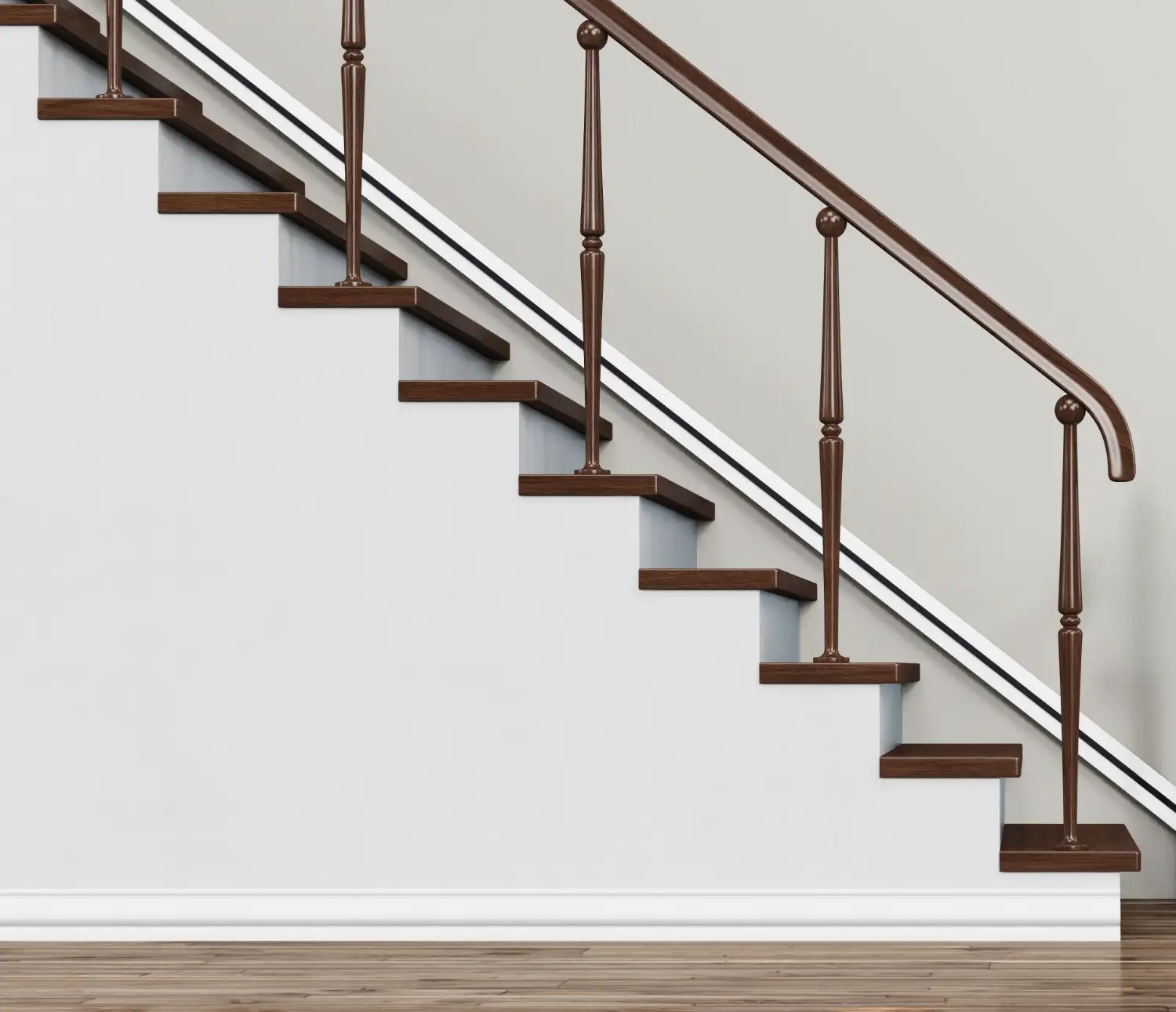
A staircase can be one of the most visible transitions in a Vancouver home, especially in open floor plans where the stairs meet hardwood on the main level. When new stair treads do not match the existing flooring, even a small difference in color, grain, sheen, or board character can make the entire installation look disconnected.
The best way to match new hardwood stair treads to existing floors is to consider wood species, grade, grain, stain color, finish sheen, and the age of the existing flooring together. An exact match is not always possible, particularly when floors have changed color with age and light exposure, but careful material selection and on-site color testing can create a much more natural transition.
What local homeowners should know
-
Matching stair treads involves more than finding a stain with the same color name because the underlying wood affects the final appearance.
-
Vancouver’s damp Pacific Northwest climate makes proper wood acclimation and indoor moisture conditions important parts of hardwood installation.
-
Older homes in neighborhoods such as Hough and Arnada may have existing flooring that has aged or developed a patina that new wood will not duplicate immediately.
-
Finish sheen can make two similar wood colors appear noticeably different when daylight reaches a staircase from windows or an open entry.
-
When an exact match is unrealistic, a coordinated transition can often look more intentional than trying to force new wood to imitate an older floor.
Why Does Matching New Stair Treads to Existing Hardwood Matter?
Matching new stair treads to existing hardwood matters because stairs create a highly visible connection between floors, and differences in species, color, grain, or finish can stand out. In Vancouver homes with hardwood extending into an entry, hallway, or great room, a well-planned staircase helps those spaces feel visually connected.
This can be particularly noticeable in homes with open staircases or layouts where the first several treads are visible from the living area.
Local architecture varies considerably across Clark County. A historic home closer to downtown may present a very different matching challenge from a newer property near Felida, Salmon Creek, or Cascade Park. Existing flooring may also have been refinished, repaired, or stained during a previous renovation.
At Au Natural Hardwood Floors, we approach stair matching as a combination of material identification, color work, and finish planning. We look at the existing floor as a complete surface rather than relying on a stain name alone.
What Should Be Evaluated Before Choosing New Hardwood Treads?
The existing floor’s wood species, grain, color variation, finish, and condition should all be evaluated before new stair treads are selected. The closer the new material is to the underlying characteristics of the existing floor, the better the opportunity for a cohesive appearance after finishing.
Species is a critical starting point. Different hardwoods absorb stain differently and have their own grain patterns. Applying a similar stain color to two different species does not necessarily make them look alike.
We also consider:
-
Natural color variation within the existing flooring
-
Grain pattern and board character
-
Current finish sheen
-
Areas affected by sunlight
-
Previous refinishing or repairs
-
The appearance of flooring near the staircase itself
The floor immediately beside the stairs is usually more relevant than a sample taken from a distant room.
How Do Vancouver’s Local Conditions Affect Hardwood Stair Installation?
Vancouver’s Pacific Northwest climate makes indoor moisture stability especially relevant to hardwood stair installation because wood naturally responds to changes in its environment. Proper acclimation and installation conditions help reduce unnecessary movement after new treads are installed.
Homes near the Columbia River and throughout Clark County experience a climate characterized by long periods of cool, wet weather along with comparatively drier summer conditions. That does not mean indoor hardwood will behave exactly like outdoor humidity levels, but seasonal changes in heating, ventilation, and indoor moisture can affect wood.
Our field approach is to treat acclimation and site conditions as part of the installation process rather than simply bringing new material into a home and installing it immediately.
What Warning Signs Suggest an Existing Staircase Needs More Than a Cosmetic Update?
Warning signs such as loose components, movement, significant gaps, damaged tread surfaces, and noticeable squeaking can indicate that a staircase needs closer evaluation before new hardwood surfaces are installed. Covering a problem without understanding the existing stair construction can compromise the finished result.
Homeowners should pay attention to:
-
Treads that visibly move under normal foot traffic
-
Cracked, split, or badly worn stair surfaces
-
Large or changing gaps around stair components
-
Persistent squeaks accompanied by noticeable movement
-
Previous repairs that have created uneven surfaces
-
Damaged nosing along the front of a tread
-
Uneven transitions where the stairs meet existing hardwood
Minor cosmetic wear does not necessarily mean the staircase requires extensive work. Structural movement or damaged components deserve a closer look before the finishing stage begins.
What Commonly Makes Hardwood Matching Difficult in Local Homes?
Age, sunlight, previous finishes, wood variation, and remodeling history commonly make hardwood matching difficult in Vancouver-area homes. Even when the correct species is identified, a new unfinished tread may look substantially different from flooring that has been exposed to years of normal use and daylight.
1. Natural aging
Wood can change appearance over time. Existing flooring may therefore have a warmth or depth that new material does not initially share.
2. Sunlight exposure
Rooms with large windows can develop color differences between exposed flooring and areas that have spent years under rugs or furniture. Homes with views, open layouts, and abundant windows can make this especially noticeable.
3. Previous refinishing
A homeowner may know the species but not the stain, sealer, or finish system used during an earlier project.
4. Natural wood variation
Hardwood is not a manufactured print. Individual boards and treads can vary in grain and color even within the same species.
5. Remodeling transitions
Properties throughout Camas, Salmon Creek, and older Vancouver neighborhoods may have been remodeled in stages. The flooring beside the staircase may already differ slightly from hardwood elsewhere in the home.
How Can Homeowners Improve the Chances of a Good Color Match?
Homeowners can improve a hardwood match by comparing actual wood samples near the staircase and testing stain and finish combinations before committing to the final color. Evaluating samples in the home’s real lighting provides more useful information than choosing from a small color chart.
Natural daylight, overhead fixtures, and warmer evening lighting can each change how a stain appears. Sheen also matters. A satin surface next to a glossier existing floor can appear different even when the underlying colors are close.
A useful goal is visual continuity, not an unrealistic promise that new wood can always be made indistinguishable from flooring that has aged for years.
What Results Should Homeowners Expect From Professional Stair Matching?
Professional stair matching should produce a staircase that coordinates naturally with the surrounding hardwood while respecting the differences between new and existing wood. The realistic result depends on the existing species, age, finish history, available materials, and how closely those characteristics can be reproduced.
Some projects allow for a very close match. In others, the better design decision may be a complementary appearance.
This distinction is important. A deliberate complementary tone can look polished, while a near-match that is visibly off may draw more attention to the difference.
What Mistakes Can Make New Hardwood Stairs Look Mismatched?
The most common matching mistakes involve choosing by stain name alone, ignoring wood species, skipping sample testing, or overlooking finish sheen. A better approach considers the complete flooring system and evaluates samples beside the actual floor before the staircase is finished.
Mistake: Choosing stain from a printed sample.
The consequence is a color that may change dramatically when applied to the actual tread. The better approach is testing on the intended wood.
Mistake: Focusing only on color.
The consequence is that grain or character can still make the stairs look unrelated to the floor. The better approach is comparing species and visual character first.
Mistake: Ignoring sheen.
The consequence is that reflected light emphasizes the transition. The better approach is evaluating both color and finish appearance.
Mistake: Expecting new wood to duplicate aged wood perfectly.
The consequence is an unrealistic target. The better approach is deciding whether a close match or an intentional complementary treatment will produce the stronger overall design.
What Is a Common Hardwood Stair-Matching Scenario in Vancouver?
A common local scenario is a homeowner replacing carpeted stairs while keeping an existing hardwood floor on the main level. Once the carpet comes out, the new exposed treads need to relate visually to flooring that may already have years of aging, wear, and light exposure.
Imagine a Clark County home where hardwood runs through the entry and stops at a carpeted staircase. The homeowner wants hardwood stairs during a remodel.
Instead of selecting a tread based only on the apparent brown tone of the floor, the existing wood should be evaluated for species, grain, undertone, sheen, and variation. Samples can then be viewed beside the flooring where the first tread meets the main level.
This is a common local scenario, not a specific Au Natural Hardwood Floors project.
Which Hardwood Services Can Help Create a More Cohesive Staircase?
Hardwood installation, sanding, staining, and finishing can all play a role in creating a staircase that relates naturally to an existing floor. The right combination depends on whether the surrounding hardwood will remain untouched or is also being refinished as part of a larger project.
If the existing floor is due for refinishing, coordinating the floor and staircase within the same project may provide additional flexibility in developing the final appearance. If the existing floor will remain as-is, matching work needs to focus on its current color and finish.
Should You Match the Existing Floor or Choose a Complementary Stair Color?
Matching the existing floor is usually appropriate when the wood species and finish can be reproduced closely, while a complementary stair color can be the better choice when the existing flooring has significant aging or an unknown finish history. The objective should be an intentional transition rather than an imperfect imitation.
A close match generally works well when visual continuity is the priority. A complementary treatment can work when homeowners want the staircase to function as an architectural feature or when exact matching is impractical.
Before choosing either direction, samples should be considered in relation to nearby flooring, railings, trim, wall colors, and available natural light.
Where Do We Provide Hardwood Stair Solutions?
Our hardwood stair work can support homeowners in Vancouver and surrounding Clark County communities based on project availability and confirmed service coverage. Nearby areas may include Camas, Salmon Creek, Felida, and other communities in the region.
What Can Happen If Stair Problems or Poor Matching Decisions Are Ignored?
Ignoring damaged stair components or rushing a hardwood matching decision can lead to additional work, disappointing visual transitions, or surfaces that do not perform as intended. Addressing the condition of the staircase and the appearance of the adjacent floor before installation provides a clearer path to a lasting result.
This is especially important when stair work is part of a larger Vancouver remodeling project. Decisions about flooring, trim, railings, and finishing are easier to coordinate before each component is completed.
FAQ About Hardwood Stair Installation in Vancouver, WA
Can new hardwood stair treads exactly match an old hardwood floor?
An exact match is not always possible because existing hardwood can change color with age, sunlight, wear, and previous finishing. Matching the species, grain character, stain, and sheen gives new treads the best chance of coordinating naturally with the floor while allowing for normal variation in real wood.
What should I match first, the wood species or the stain color?
The wood species should generally be evaluated before the stain because species influences grain, natural color, and how stain is absorbed. Two different woods treated with the same stain can produce noticeably different results. Identifying the existing Vancouver home’s flooring provides a stronger starting point for sample development.
Does Vancouver’s climate affect hardwood stairs?
Yes, local indoor moisture conditions can affect hardwood because wood naturally expands and contracts as environmental conditions change. Vancouver’s wet Pacific Northwest climate makes proper material conditioning and stable indoor conditions relevant considerations before installation. Site conditions should be evaluated as part of planning the stair project.
Can you match stairs to hardwood that has already been refinished?
Previously refinished hardwood can often be coordinated with new stairs, but the process may require sample testing because the original stain and finish products may be unknown. The current appearance of the floor near the staircase is usually the most useful reference for developing a compatible result.
Are hardwood stairs a good option for older Clark County homes?
Hardwood stairs can work well in older Clark County homes when the existing staircase and surrounding flooring are properly evaluated first. Older properties may have previous repairs, nonstandard construction details, or floors that have been refinished multiple times, so the installation approach should reflect the home’s actual conditions.
Should stair treads have the same sheen as the floor?
Using a similar sheen can help the staircase and floor look more cohesive, particularly where the surfaces meet directly. Sheen affects how light reflects from wood, so two similarly colored surfaces can still appear different if one is significantly glossier than the other.
Can carpeted stairs be converted to hardwood in Vancouver homes?
Many carpeted staircases may be candidates for a hardwood conversion, but the existing construction needs to be evaluated first. Removing carpet can reveal tread conditions, fastening details, gaps, or other issues that influence the installation method. The surrounding flooring should also be assessed before choosing the new hardwood.
Should I refinish my existing floor when installing new hardwood stairs?
Refinishing the existing floor at the same time may provide more flexibility for coordinating color, but it is not automatically necessary. If the current floor is in good condition, samples for the new staircase can instead be developed around its existing appearance. The best option depends on the floor’s condition and project goals.
Create a Hardwood Staircase That Belongs in Your Home
Matching hardwood stairs to an existing floor requires attention to the details that make real wood distinctive, from species and grain to aging, stain, and sheen. We can help Vancouver-area homeowners evaluate those details and plan a staircase that feels connected to the rest of the home.