

Hardwood Floor Repair in Vancouver, WA: When Replacing a Few Boards Beats a Full Refinish
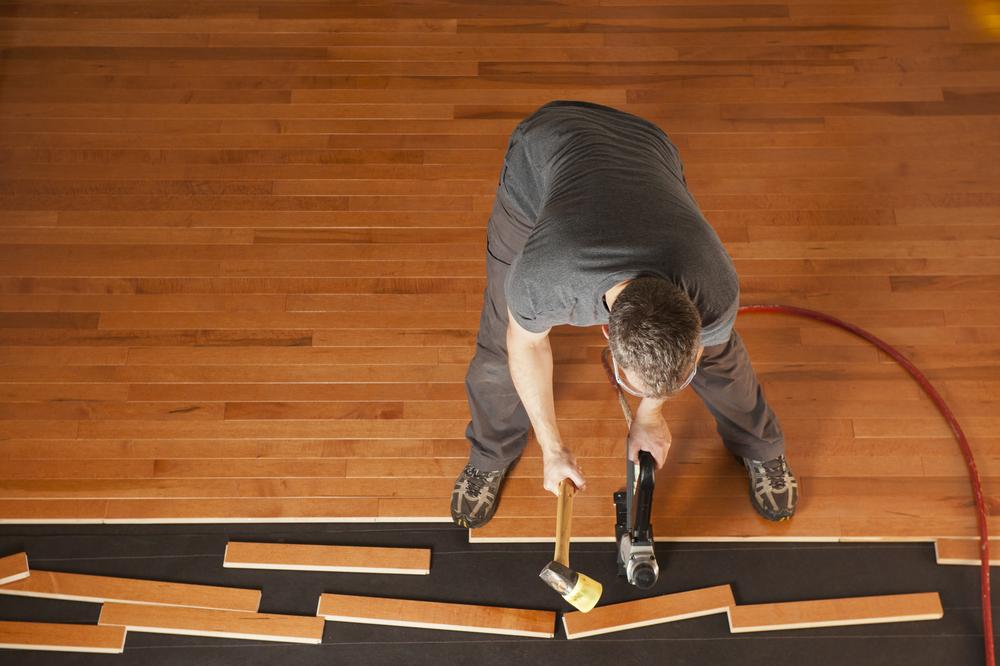
A damaged hardwood floor does not automatically mean the entire room needs to be sanded and refinished. In Vancouver, WA, a leaking planter, pet damage, a deep gouge, or moisture near an exterior door can sometimes affect only a handful of boards while the surrounding floor remains in good condition.
In those situations, targeted board replacement may be the smarter repair.
Quick answer: Replacing a few hardwood boards usually makes more sense than refinishing the entire floor when damage is isolated, the surrounding finish is still serviceable, and compatible replacement wood can be integrated into the existing floor. A full refinish is more appropriate when scratches, fading, finish failure, or discoloration extend across most of the room.
What local homeowners should know
-
Individual boards can often be removed and replaced without sanding every square foot of hardwood in the room.
-
Vancouver’s wet season makes the source of moisture especially important to address before damaged flooring is repaired.
-
Older homes in neighborhoods such as Hudson’s Bay, Harney Heights, and Fourth Plain Village may have flooring that requires careful species, width, and appearance matching.
-
A localized repair may reduce disruption when the rest of the floor still looks good.
-
Color matching can be challenging because existing hardwood changes naturally with age, sunlight, finish wear, and previous refinishing.
Au Natural Hardwood Floors works with homeowners evaluating hardwood floor repair in Vancouver, WA. When we assess localized damage, our goal is to determine whether the affected boards can reasonably be repaired or replaced without doing unnecessary work to the rest of the floor.
When is replacing a few hardwood boards better than refinishing?
Replacing a few hardwood boards is usually better than a full refinish when the problem is physically limited to specific boards and the surrounding flooring and finish remain in good condition. Board replacement addresses damaged wood itself, while refinishing primarily renews the surface of wood that is still structurally usable.
Examples can include a deeply gouged board, an isolated pet stain, localized water damage, a cracked plank, or damage from a remodeling project.
Refinishing cannot solve every defect. If a board is split, badly stained through the wood, significantly cupped, or otherwise compromised, sanding the room may leave that damaged board in place without resolving the underlying issue.
Why does this decision matter in Vancouver, WA?
The repair-versus-refinish decision matters locally because hardwood floors in the Vancouver area experience seasonal changes in temperature and moisture, along with the everyday risks created by our long wet season. Water tracked through entries, plumbing leaks, exterior moisture, and indoor humidity changes can all affect wood flooring.
National Weather Service climate records for Vancouver use 1991–2020 climate normals and show a clear seasonal shift between the cooler wet portion of the year and warmer summer conditions. Wood naturally responds to changes in its environment, so moisture conditions deserve attention before replacing damaged boards.
Older housing also adds another consideration. The City of Vancouver describes neighborhoods such as Fourth Plain Village and Harney Heights as having substantial older housing stock, while Hudson’s Bay includes homes from several different eras. Older floors may involve dimensions, species, milling, or appearance characteristics that are not identical to products currently stocked at a flooring supplier.
What warning signs suggest individual boards need repair?
Individual board repair is worth investigating when the damage has clear boundaries rather than appearing throughout the entire floor. Homeowners should pay particular attention when one or several planks look substantially worse than the surrounding hardwood.
Common warning signs include:
-
One or more boards have deep scratches or gouges that extend beyond the finish.
-
A plank is cracked, splintered, or physically broken.
-
Dark staining remains concentrated in a small area.
-
Several boards near a door, appliance, sink, or plumbing fixture show moisture damage.
-
One section of flooring is cupped or distorted while surrounding areas remain flat.
-
A previous remodel left holes, cut boards, or an unwanted floor opening.
-
A small area has pet-related damage that penetrated beyond the finish.
Widespread dullness or surface scratching is different. If nearly every board shows similar finish wear, refinishing may address the problem more efficiently and create a more consistent appearance.
What causes localized hardwood floor damage around Vancouver?
Localized hardwood floor damage around Vancouver most often develops from concentrated moisture, impact, pet damage, remodeling, or isolated wear rather than uniform aging across the entire room. Finding the cause is important because installing replacement wood before correcting an active problem can allow the damage to return.
Moisture deserves particular attention. A refrigerator supply line, dishwasher leak, wet entry area, planter, or repeated spill can affect only a small section of flooring. In Clark County’s rainy season, exterior water around doors and other vulnerable areas can also deserve investigation.
Other causes include dropped objects, furniture damage, pet stains, fireplace-related damage, or changes made during remodeling.
Can a replacement board match an older hardwood floor?
A replacement board can often be blended successfully with an older hardwood floor, but an absolutely invisible match should not be assumed. Species, grade, grain, width, thickness, milling profile, stain, finish, sunlight exposure, and decades of natural aging can all influence the final appearance.
This is particularly relevant in established Vancouver neighborhoods such as Hough, Arnada, Hudson’s Bay, and Evergreen Highlands, where homes may contain flooring installed during very different construction periods.
Matching is therefore more than choosing a board that looks similar on a sample rack. The existing flooring has to be evaluated along with the replacement material and the finish surrounding the repair.
When does a full refinish make more sense?
A full refinish makes more sense when wear is widespread across the floor rather than confined to a few damaged planks. If most of a room is scratched, dull, faded, discolored, or showing finish deterioration, replacing individual boards would address only part of the problem.
Refinishing may be the better path when:
-
Surface scratches cover most of the room.
-
Traffic lanes have worn through the finish.
-
Sunlight has created broad color differences.
-
The homeowner wants to change the overall stain color.
-
Numerous unrelated boards need attention.
-
Previous repairs have left inconsistent finish across large areas.
Sometimes the best solution combines both methods. Damaged boards can be replaced first, followed by sanding and refinishing a larger connected area when a consistent final appearance requires it.
What should happen before water-damaged boards are replaced?
Water-damaged boards should be replaced only after the moisture source has been identified and the affected area is suitable for flooring repair. Removing visible damage without addressing the leak, intrusion, or ongoing moisture condition risks damaging the replacement material as well.
For homeowners near the Columbia River, Vancouver Waterfront, Fisher’s Landing, or elsewhere in the area, the important issue is not simply that the Pacific Northwest is wet. The specific source of moisture inside the property must be found.
Homeowners can safely check for obvious spills, appliance leaks, plumbing issues, or water entering near doors. Persistent moisture, significant movement, or an uncertain source deserves professional evaluation before flooring is closed back up.
What mistakes should homeowners avoid with small hardwood repairs?
The biggest mistakes with small hardwood repairs are assuming every defect can be sanded away, replacing boards before correcting moisture, and expecting new wood to instantly match aged flooring. A more careful approach evaluates the damage, surrounding floor, material compatibility, and likely finished appearance together.
Mistake: Sanding a deeply damaged board repeatedly.
Consequence: Excessive sanding can remove useful wood without eliminating a stain or structural defect.
Better approach: Determine whether replacement is more appropriate.
Mistake: Repairing before a leak is resolved.
Consequence: New boards may develop the same damage.
Better approach: Correct the moisture source first.
Mistake: Buying a similar-looking board based only on color.
Consequence: Width, species, grain, or milling may not match.
Better approach: Evaluate the physical flooring characteristics before selecting replacement material.
What is a common local hardwood repair scenario?
A common Vancouver-area scenario is a mostly attractive hardwood floor with several damaged boards near one concentrated problem area. The damage might occur near a kitchen appliance, patio entry, pet area, or location affected during remodeling while the rest of the room remains serviceable.
In that situation, refinishing hundreds of square feet solely because several boards are damaged may not address the problem efficiently. If compatible material and an appropriate repair method are available, removing the affected boards and integrating replacements can preserve more of the existing floor.
This is a common scenario, not a description of a specific Au Natural Hardwood Floors project.
How do professional hardwood floor repair options compare?
Professional hardwood floor repair options should be chosen according to the type and extent of damage, not simply according to which process sounds more comprehensive. Spot repairs, board replacement, and full refinishing solve different problems.
Board replacement is best suited to isolated physical damage, deep staining, cracked boards, or localized deterioration.
Localized repair work may be appropriate for minor problems where the wood itself remains usable.
Full sanding and refinishing is better suited to widespread surface wear, broad discoloration, or an overall finish that has reached the end of its useful condition.
Our role is to help determine which level of work fits the actual condition of the floor rather than automatically treating every damaged area as a full refinishing project.
What can homeowners do to prevent future board damage?
Homeowners can reduce future hardwood damage by controlling water quickly, using protective mats thoughtfully, maintaining stable indoor conditions, and watching vulnerable areas during Vancouver’s wetter months. The most useful maintenance focuses on preventing concentrated moisture and abrasion before either penetrates the wood.
Wipe up spills promptly and check beneath appliances if unexplained staining appears. Keep exterior water from being repeatedly tracked onto hardwood near entryways. Use furniture protection that will not trap grit against the finish.
Seasonal gaps or minor movement do not automatically indicate a defective floor. Wood naturally responds to changing environmental conditions. Sudden movement, persistent cupping, or growing discoloration deserves closer attention.
What happens if damaged hardwood boards are ignored?
Ignoring damaged hardwood boards can allow a localized problem to become harder to address, especially when moisture remains active. A cosmetic gouge may simply stay cosmetic, but a leaking appliance, wet subfloor, or deteriorating board can affect adjacent flooring if the underlying cause continues.
The key is distinguishing stable damage from an active condition.
A single old dent may not require urgent service. Expanding discoloration, new cupping, soft wood, or recurring moisture should be investigated sooner because waiting does not address the source of the change.
Where do we provide hardwood floor repair services?
We provide hardwood flooring services for homeowners in Vancouver, WA, and surrounding communities in the Clark County area. Depending on your location and project needs, that may include nearby communities such as Camas, Washougal, and Battle Ground.
Homes throughout areas such as Hough, Arnada, Hudson’s Bay, Fisher’s Landing, and East Vancouver can present different flooring ages and construction conditions, so the repair approach should be based on the floor itself rather than a one-size-fits-all recommendation.
FAQ
Can you replace just one hardwood floor board in Vancouver, WA?
Yes, a single hardwood board can sometimes be replaced when the damage is isolated and the floor’s construction allows the affected plank to be removed and integrated properly. The main considerations are access, flooring type, material compatibility, and appearance. An evaluation can determine whether one-board replacement is practical for the specific floor.
Is board replacement cheaper than refinishing an entire floor?
Board replacement can involve less overall work when only a very small area is damaged, but cost depends on accessibility, material availability, matching requirements, and repair complexity. Refinishing and replacement are different processes, so comparing them only by square footage can be misleading. The right comparison starts with what the damaged floor actually requires.
Can water-damaged hardwood be repaired in Vancouver?
Yes, some localized water-damaged hardwood can be repaired or replaced, but the moisture source needs to be addressed first. Vancouver’s wet climate makes that step particularly important. If boards continue receiving moisture from a leak, exterior intrusion, appliance, or damp substrate, installing new flooring alone will not resolve the underlying condition.
Will new hardwood boards match my old floor?
New boards can often be blended with existing flooring, but a perfect match cannot always be promised. Older floors around Clark County may have changed color from age, sunlight, finish wear, and previous refinishing. Species, board dimensions, grain, milling, stain, and finish all influence how noticeable a repaired section will be.
Do scratched hardwood floors need replacement?
No, ordinary surface scratches generally do not require board replacement if the wood itself remains sound. Widespread surface wear may be better suited to refinishing, while a very deep gouge affecting one plank could justify individual repair or replacement. The depth and distribution of the damage are more important than the presence of scratches alone.
Should I refinish my entire Vancouver, WA, floor after replacing boards?
Not always. If the surrounding finish remains attractive and the repair can be blended appropriately, a complete refinish may be unnecessary. A broader refinish becomes more useful when the entire floor already has substantial wear, color inconsistency, or finish deterioration and the homeowner wants a more uniform overall result.
Are older Vancouver homes harder to match for hardwood repair?
Older floors can be more challenging to match because the original material may differ from modern flooring in thickness, width, grade, milling, species, or appearance. Vancouver neighborhoods with older housing stock may therefore require closer material evaluation. A challenging match does not necessarily make repair impossible, but expectations should be realistic.
How quickly should I address a cupped hardwood board?
A newly cupped board should be investigated promptly if moisture may still be present. Cupping can indicate an imbalance in moisture conditions, and replacing the plank before understanding why it changed may lead to another problem. In Vancouver’s wetter season, check nearby plumbing, appliances, doors, and other potential moisture sources first.
Protect the Hardwood You Already Have
A few damaged boards do not automatically mean giving up on an otherwise attractive hardwood floor. The right repair starts with identifying what happened, evaluating the surrounding wood, and choosing a solution proportional to the problem.
At Au Natural Hardwood Floors, we can help Vancouver-area homeowners determine whether targeted hardwood floor repair, board replacement, or broader refinishing is the more appropriate path.